What is a Wall Mount Power Supply and How to Choose One?
In an increasingly electronic world, a Wall Mount Power Supply is vital for many devices. According to industry analyses, the global market for power supplies is projected to reach $42 billion by 2026. This growth underscores the importance of reliable energy sources in various applications, from industrial settings to consumer electronics.
Choosing the right Wall Mount Power Supply can be challenging. Factors such as voltage, current rating, and efficiency play crucial roles in performance. Additionally, not all power supplies are built equally. Quality varies widely among manufacturers. Some units may not meet safety standards, leading to potential risks.
It’s essential to evaluate brands and their reputations. Reports reveal that nearly 30% of power supply failures are due to poor quality components. Investing time in research and assessment can save future headaches. Selecting a compliant and efficient Wall Mount Power Supply is not just about meeting immediate needs; it's also about future-proofing your devices.
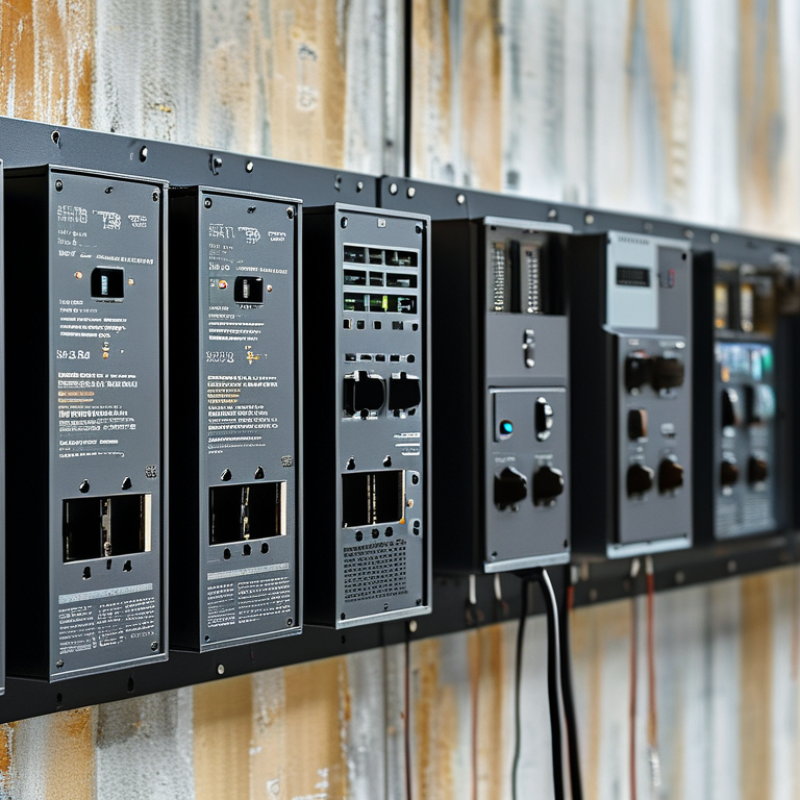
What is a Wall Mount Power Supply and Its Functionality?
Wall mount power supplies are essential components in various electronic setups. They provide reliable voltage for devices that require stable power. Typically, these supplies are compact and can be easily affixed to walls, helping to save valuable space. The functionality of a wall mount power supply extends beyond mere power supply; it also protects devices from over-voltage and over-current. This protection is crucial in preventing damage to sensitive electronic equipment.
When choosing a wall mount power supply, evaluating the voltage and current requirements of your devices is important. Mismatched specifications can lead to inefficient performance. Consider the total power output. This ensures that all connected devices receive adequate power. Moreover, look for units with safety certifications. These indicates compliance with industry standards, ensuring reliability. However, it is easy to overlook compatibility issues, which could arise from voltage mismatches or connector types.
Aesthetics might also play a role in your choice. Pristine wall-mounted supplies can enhance the overall appearance of a setup. Yet, functionality should always take precedence over looks. Some might prioritize sleek designs over necessary power specifications, which can lead to function failures. Ultimately, balancing aesthetics with performance is key in selecting a wall mount power supply.
Key Components and Specifications of Wall Mount Power Supplies
When choosing a wall mount power supply, understanding its key components is essential. These supplies typically include input connectors, output terminals, and regulatory compliance features. The input connectors vary in type and can affect installation ease. Output terminals determine the voltage and current provided to devices, directly impacting performance. Regulatory aspects, such as safety certifications, ensure the device is reliable and safe for use. According to industry reports, a significant percentage of failures in power supplies result from inadequate thermal management and overloading.
Many units come with specifications indicating their efficiency ratings. A higher rating often leads to lower energy consumption. Reports show that supplies with an efficiency of over 90% can save businesses a considerable amount on energy costs. It's crucial to ensure that the supply can handle the total wattage needed without exceeding its limit, as this can lead to failures or reduced lifespan.
Tip: Always check the input voltage range. Supplies that offer a wide range prevent disruptions in case of voltage fluctuations. Also, consider future needs. If you plan to add more devices, choose a supply with extra capacity. It can save you from needing a replacement down the line.
Power Supply Efficiency Ratings
This chart illustrates the efficiency ratings of various wall mount power supplies as measured by the 80 PLUS certification. Higher efficiency indicates less energy loss and lower heat generation during operation.
Understanding Power Ratings: Watts, Amperes, and Voltage Outputs
When selecting a wall mount power supply, understanding power ratings is crucial. Power ratings include watts, amperes, and voltage outputs. Watts measure the total power consumed. A higher wattage means more devices can be powered simultaneously. For instance, a 100-watt supply can run multiple smaller devices or one larger device.
Amperes indicate the current flow. This measurement helps ensure your power supply matches the device's current requirements. For example, if a device requires 2 amperes, using a 1-ampere supply can lead to insufficient power. Such mismatches may cause malfunction or damage. Voltage outputs are just as vital. Each device has a specific voltage requirement. A power supply with incorrect voltage can lead to failure or reduced lifespan.
According to industry reports, ensuring compatibility between watts, amperes, and voltage can extend equipment longevity. In 2022, 30% of electronic device failures were linked to inadequate power supplies. This highlights the importance of understanding these ratings. Reflecting on personal experiences, many overlook the significance of proper power ratings. Miscalculations can lead to costly errors in both time and resources.
Factors to Consider When Choosing a Wall Mount Power Supply
When selecting a wall mount power supply, there are several crucial factors to consider. First, check the output voltage and current ratings. Ensure they match your device's requirements. Mismatched ratings can damage your equipment. Measuring these specifications requires basic technical knowledge.
Next, look into the power supply's efficiency. A higher efficiency rating means less energy waste and lower electricity bills. This also reduces heat generation, extending the lifespan of the power supply. Keep in mind that some cheaper models may not deliver consistent performance over time. Reliability is essential, especially for critical applications.
Another point to reflect upon is the physical size and design. Dimensions must fit your space and allow for proper ventilation. Be wary of cluttered installations. Cables should be manageable and not impede access. Aesthetics matter too; consider how the power supply blends into your environment. Choosing the right model takes thought and attention to detail.
Common Applications and Industries Utilizing Wall Mount Power Supplies
Wall mount power supplies are increasingly common in various industries. They are often used in telecommunications, medical devices, and automation equipment. These supplies provide efficient power in a compact form. The ability to mount them on walls saves space and makes installation easier. In healthcare, for example, reliability is crucial. Medical devices often depend on these power supplies to function correctly.
Industries such as security and surveillance also utilize wall mount power supplies. Cameras and monitoring systems need consistent power. A wall-mounted option often allows for a neater installation. It reduces the clutter associated with using traditional power supplies. Furthermore, in industrial settings, these power supplies can withstand harsh conditions. However, not all models offer the same level of protection. Quality variation is something to watch for.
When choosing a wall mount power supply, consider the application. Voltage and current specifications are vital. Ensuring compatibility with your devices can prevent future issues. Always check for compliance with industry standards. While many wall mount power supplies perform well, not all are created equal. Some may not withstand extreme temperatures or humidity. Research is necessary for making informed decisions.


 Phone
Phone WhatsApp
 Email
Email