The Ultimate Guide to Flexible PCB Board for Global Buyers?
In today's fast-paced electronics industry, the demand for reliable and efficient circuit solutions has reached new heights. Flexible PCB boards are at the forefront of this evolution. Renowned industry expert Dr. Emily Chen, a leading researcher in flexible electronics, states, "The adaptability of flexible PCB boards is revolutionizing electronic design." Her insight highlights the growing importance of these innovative structures.
Flexible PCB boards offer unique advantages, such as lightweight designs and the ability to fit into compact spaces. They enable the development of flexible devices, from wearable tech to advanced medical equipment. However, buyers often face challenges in choosing the right product. Miscommunications and quality inconsistencies can arise during procurement, emphasizing the need for informed decision-making.
Recognizing these complexities is crucial in this evolving field. Buyers must consider various factors, such as material quality and manufacturing processes. As the market for flexible PCB boards expands, understanding these elements will ensure that manufacturers meet the rising demand. Balancing innovation with reliability remains an ongoing challenge. The journey toward optimization continues, pushing the boundaries of what is possible with flexible PCB technology.
Understanding Flexible PCB Technology and Its Applications Worldwide
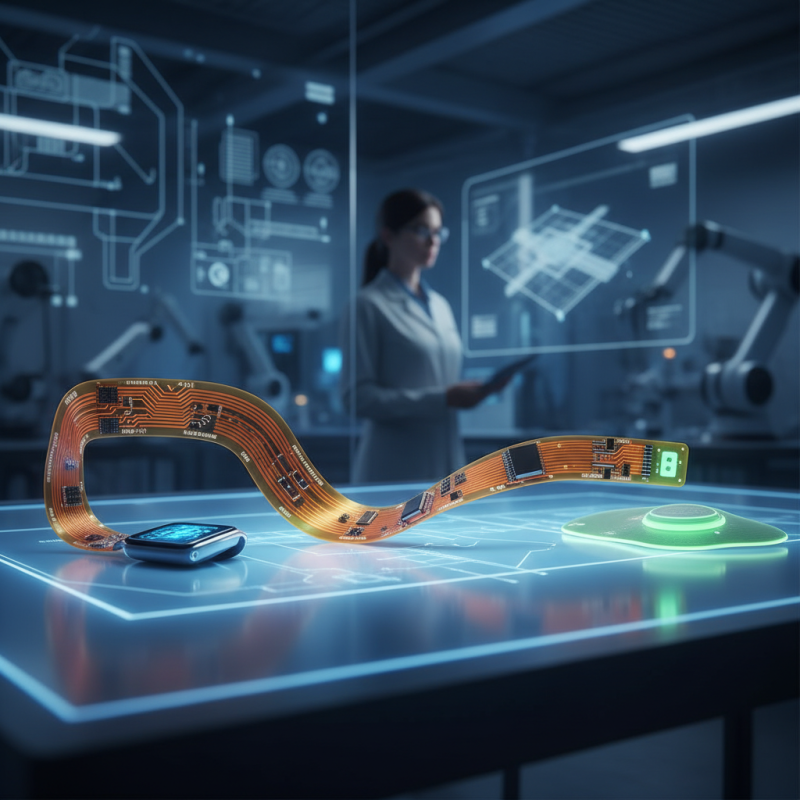
Flexible printed circuit boards (PCBs) represent a pivotal innovation in electronics. Their adaptability allows them to be used in various applications, from consumer devices to medical equipment. According to a market research report by Research and Markets, the global flexible PCB market is expected to reach $25 billion by 2025, showcasing rapid growth in this sector.
One significant application of flexible PCBs is in wearable technology. These devices demand lightweight and compact designs. Flexible PCBs meet these needs, providing durability and reliability. The miniaturization of electronics continues to drive demand. Additionally, industries like automotive and aerospace are increasingly relying on flexible PCBs. They are crucial in systems requiring high reliability and complex circuitry.
However, challenges persist. The manufacturing process is often complex, leading to increased costs. Quality control is another area that needs attention. Issues like delamination can arise during production. Understanding these nuances is essential for buyers. It helps them make informed decisions in the evolving landscape of flexible PCB technology.
The Global Market Share of Flexible PCB Applications (2023)
Key Advantages of Flexible PCBs in Modern Electronics Manufacturing
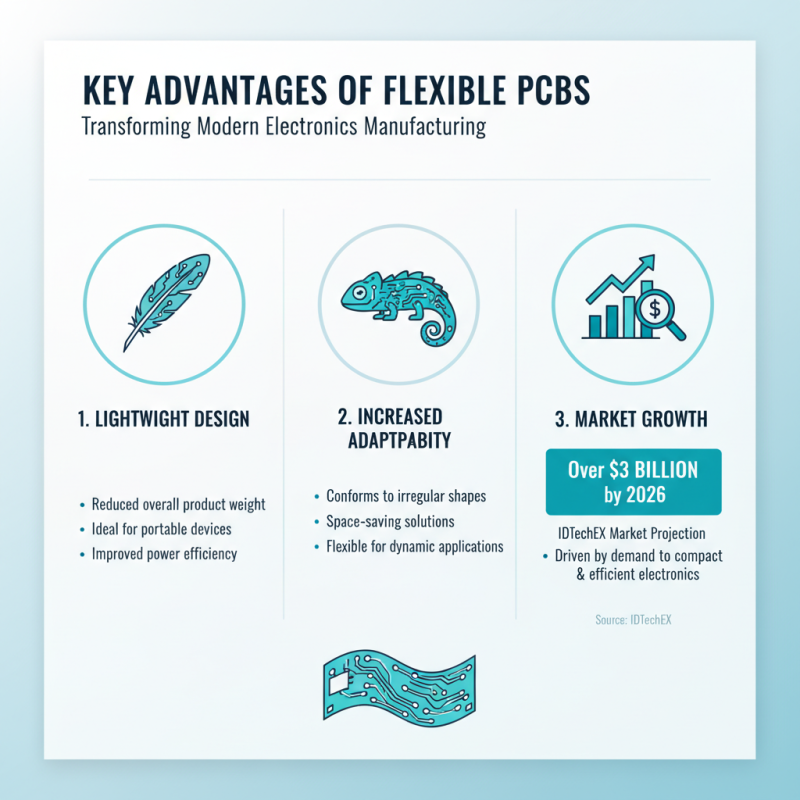
Flexible PCBs (Printed Circuit Boards) are transforming modern electronics manufacturing. They offer significant advantages, including lightweight design and increased adaptability. According to the market research firm, IDTechEX, the flexible PCB market is projected to grow significantly, reaching over $3 billion by 2026. This growth indicates the rising demand for compact and efficient electronics.
One noteworthy benefit of flexible PCBs is their space-saving design. Traditional rigid boards can limit the possibilities in product engineering. In contrast, flexible PCBs can bend and conform to various shapes, allowing designers to create thinner and more intricate devices. This capability is invaluable in sectors like wearables and IoT devices, where compactness is crucial.
Another advantage lies in their durability. Flexible PCBs can withstand a range of environmental conditions and mechanical stress. A report by MarketsandMarkets highlights that flexible PCBs contribute to system reliability, reducing the risks of failures. This longevity is essential in industries where product lifespan is a significant concern. However, the manufacturing process can be complex, and quality control remains a critical challenge. Balancing flexibility with robustness is an ongoing area for improvement.
Market Trends: Growth Statistics and Projections for Flexible PCB Industry
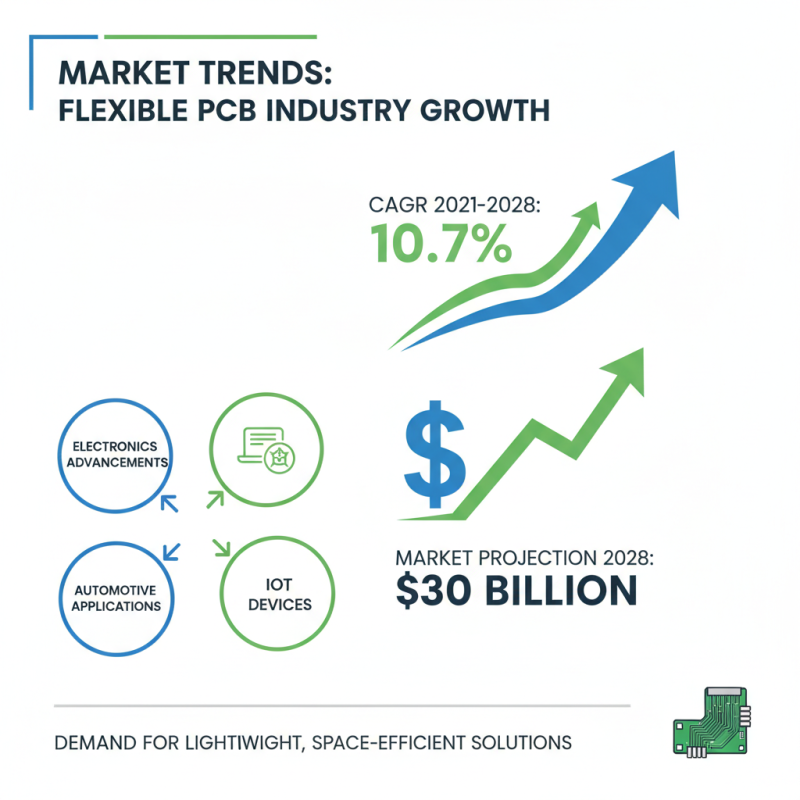
The flexible PCB industry is rapidly evolving. Recent reports indicate a compound annual growth rate (CAGR) of approximately 10.7% from 2021 to 2028. This growth is driven by advances in electronics, automotive applications, and IoT devices. Analysts predict that the market could reach $30 billion by 2028. Such figures highlight the increasing demand for lightweight, space-efficient solutions.
The flexible PCB market trends show a significant shift toward miniaturization and connectivity. Businesses are focusing on designs that accommodate smaller gadgets. This trend is particularly noticeable in wearable technology and smartphones. However, there are challenges. Manufacturers face issues like material limitations and production costs. It is crucial to balance innovation with achievable manufacturing processes.
Tips: Always keep an eye on material advancements. New polymers can significantly enhance PCB performance and durability. Additionally, consider the impact of design complexity on production. Overly intricate designs can lead to increased failures and higher costs. Regular evaluations and adjustments can help optimize the design process.
Material Selection: Comparing Substrates and Conductive Materials for PCBs
When selecting materials for flexible PCBs, substrate choice is paramount. Polyimide is a popular choice due to its excellent thermal stability and mechanical properties. According to a 2023 report by IPC, nearly 70% of manufacturers prefer polyimide for its durability. Other materials like polyethylene naphthalate (PEN) are also gaining traction, especially in cost-sensitive applications. PEN offers good performance but may lack the thermal resistance of polyimide.
Conductive materials are equally important. Copper remains the standard for traces due to its high conductivity and reliability. A study from the Electronic Industries Alliance indicates that copper is used in over 90% of PCB applications. However, aluminum is emerging as an alternative. Its lightweight nature can reduce costs and weight in specific applications. Yet, aluminum may pose challenges due to oxidation and adhesion issues.
Choosing the right materials often involves trade-offs. While polyimide provides superior performance, its cost can be a barrier for some projects. On the other hand, using cheaper alternatives could impact performance over time. Balancing cost and quality is crucial in flexible PCB design. Innovation in materials continues, but every decision has implications that require careful consideration.
The Ultimate Guide to Flexible PCB Board for Global Buyers
| Material Type |
Substrate Material |
Conductive Material |
Thermal Conductivity (W/mK) |
Flexibility (mm) |
Applications |
| Polyimide |
Kapton |
Copper |
0.12 |
5 |
Aerospace, Medical Devices |
| Polyester |
Mylar |
Aluminum |
0.21 |
10 |
Consumer Electronics, Displays |
| FR-4 |
Glass Fiber |
Copper |
0.2 |
3 |
Telecommunications, Power Supplies |
| Teflon |
PTFE |
Copper |
0.25 |
8 |
RFID, High-Frequency Applications |
Manufacturing Processes: Techniques for High-Quality Flexible PCB Production
Flexible PCB manufacturing is a specialized process that requires precision and expertise. Various techniques are used to ensure high-quality production. According to market research, the global flexible PCB market is projected to exceed $30 billion by 2025. This growth is fueled by advancements in electronics, especially in sectors like automotive and medical devices.
Manufacturers often employ methods like laser drilling and photo-engraving to create intricate designs. Laser drilling achieves high precision, allowing for smaller holes in tightly packed circuits. Photo-engraving, on the other hand, provides excellent resolution for detailed patterns. Some manufacturers struggle with consistency in these processes, highlighting the need for continuous improvement. Regular training and updated machinery can help mitigate these challenges.
Tips: Always inspect your materials. Quality control checks during manufacturing play a crucial role in the final product's reliability. Additionally, collaborating with experienced engineers can enhance the design phase. It's essential to factor in the environment where the PCB will operate. Certain materials may degrade faster based on temperature or moisture levels. Understanding these dynamics can lead to better product longevity.



 Phone
Phone WhatsApp
 Email
Email