China’s retail technology market offers a wide range of Retail Pos System suppliers. Some focus on Android terminals, while others provide complete cloud platforms. SUNMI, Newland, PAX, and Shiji often attract attention from retailers seeking scalable equipment and software.
The choice is not only about hardware price. A busy convenience store needs fast barcode scanning, stable receipt printing, and simple staff training. A fashion chain may require inventory visibility across stores, warehouses, and online channels. Payment compatibility matters too. Local support can prevent a small technical issue from becoming a full-day sales disruption.
Ray Wang, a retail technology analyst and founder of Constellation Research, has said, “The experience is the product.” That idea is important when comparing Chinese suppliers. A polished terminal means little if updates are confusing or service responses are slow. Retailers should examine demonstration workflows, integration options, cybersecurity practices, warranty terms, and overseas deployment experience.
Real testing reveals more than brochures.
This guide evaluates leading Retail Pos System suppliers through practical criteria, including reliability, usability, ecosystem strength, and total ownership cost. It also considers whether a supplier can support different store sizes and business models. However, no ranking is permanent. Product quality, software features, and partner services can change quickly. Some suppliers may look impressive during a demonstration but perform less smoothly during peak hours. That weakness deserves attention. Readers should verify current specifications, regional support, and customer references before making a final decision.
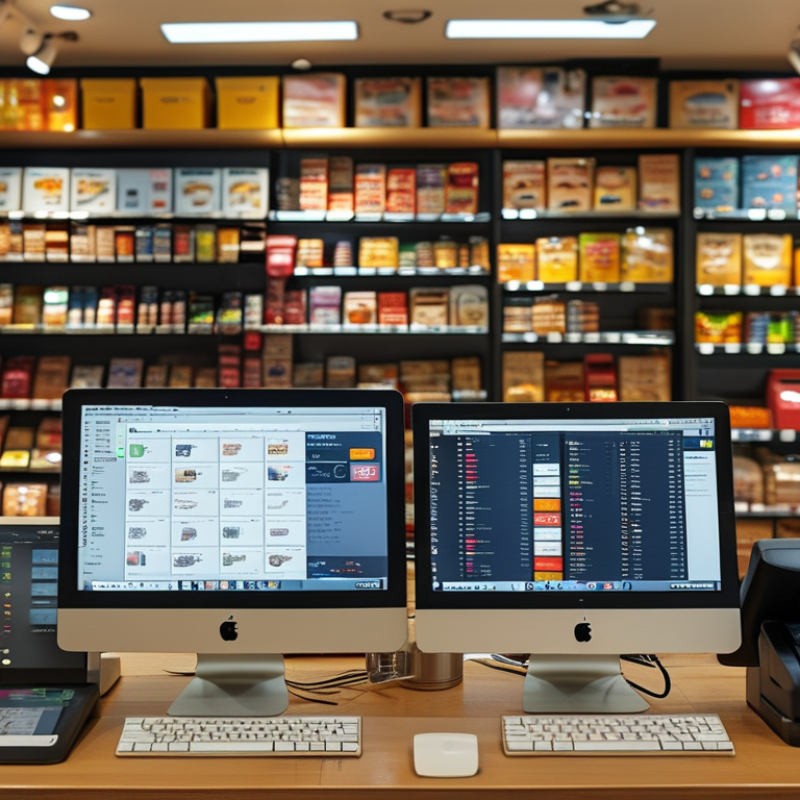
A retail POS system is the operational hub where a purchase becomes a recorded transaction. It combines checkout hardware, sales software, payment processing, inventory data, and customer records. A cashier scans a barcode, confirms the price, accepts payment, and issues a receipt within seconds. Behind the screen, the system updates stock levels and sales reports.
Modern retail POS systems do more than process payments. They can connect online orders with store inventory, support digital receipts, and show which products sell by hour or location. The 2023 Global Shopper Study reported that 73% of shoppers expect store associates to use technology during service. That expectation makes accurate, mobile checkout increasingly practical. Still, technology is not magic. Poor product data can create incorrect prices, duplicate records, or embarrassing stockouts.
A reliable system should offer clear reporting, role-based access, secure payment handling, and dependable offline procedures. It should also integrate with accounting and inventory tools without creating extra manual work.
In my experience, small details matter: a readable receipt, a fast barcode scanner, and a simple return workflow often shape daily efficiency more than advanced dashboards.
Retailers should test real transactions before deployment. That step is easy to skip. It should not be.
Choosing a retail POS supplier in China requires more than comparing prices. The top supplier is not always the cheapest option. It should fit your store size, payment methods, inventory process, and growth plans.
During store technology evaluations, I check the complete buying experience. Request a live demonstration using realistic products, discounts, returns, and stock transfers. Confirm whether the system supports local tax invoices and Chinese payment channels. Ask how it connects with accounting software, e-commerce platforms, scanners, printers, and customer displays. Weak integration can create manual work every day.
Security needs direct questions. Ask where transaction data is stored, who can access it, and how backups are tested. Review user permissions, audit logs, software updates, and incident response procedures. A reliable supplier should provide clear service terms, response times, training materials, and local technical support. Speak with current customers if possible. Their daily experience may reveal problems hidden during a polished sales presentation. I have also seen evaluation teams overlook hardware replacement costs. That mistake becomes expensive later.
Tips: Compare total ownership costs, not only license fees. Test the system during busy periods. Request a small pilot before signing a long contract. Check support hours and spare-part availability. Record every promised feature in writing. Some suppliers may resist this step. That is worth noticing.
| Evaluation Dimension | Recommended Weight | What a Qualified Supplier Should Provide | Evidence to Request | Evaluation Benchmark |
|---|---|---|---|---|
| China Market Compatibility | 15% | Support for Chinese-language interfaces, RMB pricing, local tax workflows, domestic payment scenarios, and commonly used retail operating practices. | Product documentation, local implementation references, tax receipt workflow demonstration, and payment integration list. | Full support for required local workflows with no manual spreadsheet workaround. |
| Core POS Functions | 15% | Fast checkout, barcode scanning, discounts, returns, exchanges, split payments, cashier permissions, shift management, and receipt configuration. | Live demonstration using the retailer's actual transaction scenarios. | All high-frequency transactions completed accurately within a practical pilot test. |
| Inventory and Multi-Store Management | 15% | Real-time stock visibility, purchase orders, stock transfers, cycle counts, low-stock alerts, warehouse management, and centralized product data. | Inventory accuracy report, transfer workflow, stock adjustment log, and multi-location demonstration. | Centralized control across stores and warehouses with traceable inventory adjustments. |
| Omnichannel Retail Capability | 12% | Unified product, customer, order, and inventory data across physical stores, websites, marketplaces, and other approved sales channels. | Order routing demonstration, channel synchronization test, and supported connector documentation. | Consistent stock and order status across channels with clearly defined synchronization intervals. |
| Payment and Settlement Support | 10% | Support for the payment methods required by the retailer, refunds, transaction reconciliation, cashier settlement, and payment exception handling. | Payment compatibility matrix, settlement reports, refund test, and reconciliation sample. | Every approved payment method is reconciled to POS transactions without duplicate or missing records. |
| Security and Compliance | 12% | Role-based access, audit logs, encryption in transit and at rest, backup controls, vulnerability management, and documented privacy practices. | Security policy, independent audit reports where available, penetration-test summary, access-control matrix, and incident-response process. | Least-privilege access, complete audit trails, tested backups, and a documented incident notification procedure. |
| Integration and API Availability | 10% | Documented APIs or connectors for accounting, ERP, CRM, e-commerce, payment, logistics, loyalty, and business intelligence systems. | API documentation, sandbox access, data dictionaries, rate limits, webhook support, and integration project references. | Well-documented interfaces with test access and clear ownership of integration maintenance. |
| Reliability and Offline Operation | 8% | Stable store operations, monitoring, backup and recovery procedures, offline transaction capability where required, and controlled data resynchronization. | Service-level agreement, uptime reporting, disaster-recovery plan, and offline-to-online synchronization test. | Documented recovery targets and no duplicate transactions after connectivity restoration. |
| Implementation and Customer Support | 8% | Project planning, data migration, staff training, store rollout support, Chinese-language service capability, and defined escalation channels. | Implementation plan, support coverage schedule, response-time commitments, training materials, and customer references. | Named implementation owner, measurable response targets, and support coverage matching store operating hours. |
| Total Cost of Ownership | 5% | Transparent pricing for licenses or subscriptions, hardware, implementation, integrations, support, upgrades, payment-related fees, and contract renewal. | Three-year cost model, itemized quotation, renewal terms, cancellation terms, and ownership of exported data. | No material unlisted fees and a clearly calculated three-year cost per store or terminal. |
| Suggested Supplier Selection Rule | Advance suppliers that achieve at least 80/100 overall, meet all mandatory compliance requirements, and pass a live transaction and data-synchronization pilot. | |||
Note: The weights and benchmarks are practical procurement criteria for comparing retail POS suppliers in China. Final scoring should be based on documented evidence, a controlled pilot, and the retailer's specific store, payment, inventory, and integration requirements.
Retail POS system suppliers in China serve supermarkets, convenience stores, specialty shops, and online-to-offline businesses. Their solutions commonly combine checkout terminals, barcode scanners, receipt printers, payment interfaces, inventory tools, and sales dashboards. In practice, strong suppliers focus on dependable hardware and clear software workflows. A bright touchscreen is useful, but stable scanning during a busy evening matters more. Small details matter.
When comparing suppliers, retailers should examine deployment experience, customization capacity, and after-sales support. A capable supplier can connect POS systems with stock rooms, accounting platforms, loyalty programs, and local payment methods. It should also provide staff training, remote diagnostics, spare-part planning, and documented security controls. Ask for a live demonstration using realistic transactions. Test returns, split payments, price changes, offline selling, and end-of-day reports. Marketing screens can look impressive. Real store conditions are less forgiving.
Reliable suppliers explain installation timelines, software updates, data ownership, and service response targets before signing an agreement. They should clarify recurring fees and hardware replacement terms. Retailers can request references from businesses with similar store sizes and transaction volumes. A pilot in one location may reveal weak network handling or confusing staff permissions. No supplier is perfect. Even a well-designed system may require workflow adjustments after launch. That honest review can prevent expensive surprises.
Chinese POS system suppliers increasingly compete through practical features, flexible pricing, and strong manufacturing support. Their platforms often serve supermarkets, restaurants, pharmacies, and small shops. Many providers offer touchscreen terminals, barcode scanners, receipt printers, and inventory dashboards in one package.
Cloud-based management is a major feature. Store owners can check sales, stock levels, and staff activity from a mobile device. Some systems support multiple locations and synchronize data within seconds. Local payment integration is also common, helping retailers accept cards, QR payments, and digital wallets. Chinese providers often customize interfaces, languages, tax settings, and hardware for different markets. This flexibility can reduce setup time, but it may create extra testing work.
Tips: Test the system with real products, busy checkout periods, and unstable internet. Ask about data backup, software updates, warranty coverage, and technical response times. Request a live demonstration before purchasing. No system is perfect. Even a reliable platform may need clearer reports or better staff training. Retailers should compare total ownership costs, not only the initial hardware price. A dependable supplier should explain security controls, integration limits, and replacement procedures in plain language. That transparency is often more valuable than an impressive feature list.
Choosing a retail POS supplier in China should begin with your store’s daily workflow, not a feature list. A small fashion shop may need fast barcode scanning, receipt printing, and simple stock alerts. A supermarket may require weighing-scale integration, staff permissions, and multi-location reporting. Write these needs down before contacting suppliers. Otherwise, an impressive demonstration can hide an unsuitable system.
Ask for a live test using your own products, tax settings, and payment process. Watch how quickly a cashier can correct a scanned item or process a return. Request evidence of system uptime, data protection practices, software updates, and technical certifications. A reliable supplier should explain where data is stored and how access is controlled. Vague answers deserve careful attention.
Support quality often matters more than a low purchase price. Confirm service hours, response times, replacement procedures, training, and remote troubleshooting options. Ask whether support staff understand your language and operating region. Calculate the full cost, including terminals, licenses, installation, integrations, maintenance, and future upgrades. A cheaper quote may become expensive after six months. I would also request two recent customer references, although references can be selective. That limitation should remain part of your evaluation. Test the system during busy periods, not only in a quiet showroom.
The chart presents a practical evaluation weighting for comparing anonymous retail POS suppliers. Security, omnichannel integration, hardware and software compatibility, local service capability, total cost of ownership, and scalability are commonly used decision criteria. Adjust the weighting to match your store format, number of locations, and expansion plans.
WhatsAppOffer Electronics Manufacturing All-in-One
PCBONLINE® is a registered trademark or service mark of pcb online limited or its affiliates.
Copyright © 2001-2024 Pcb Online Limited. All rights reserved