Top 10 Benefits of Using Step Voltage Regulators?
In today's fast-paced technological landscape, ensuring a consistent power supply is crucial. The Step Voltage Regulator is a key player in this realm. It stabilizes voltage levels, preventing damage to sensitive equipment. This technology enhances the reliability of electrical systems.
By automatically adjusting voltages, Step Voltage Regulators cater to various applications. Whether in residential homes or industrial settings, these devices play a vital role. They help maintain operational efficiency. Users often notice a decrease in power fluctuations when using them.
Yet, it's important to address the potential drawbacks. Some users report that initial costs can be high. Furthermore, maintenance might become an issue over time. A thoughtful approach to their application can lead to significant advantages. Understanding these nuances can help users make informed decisions. This exploration unveils the top 10 benefits of utilizing Step Voltage Regulators, shedding light on their impact on modern energy systems.
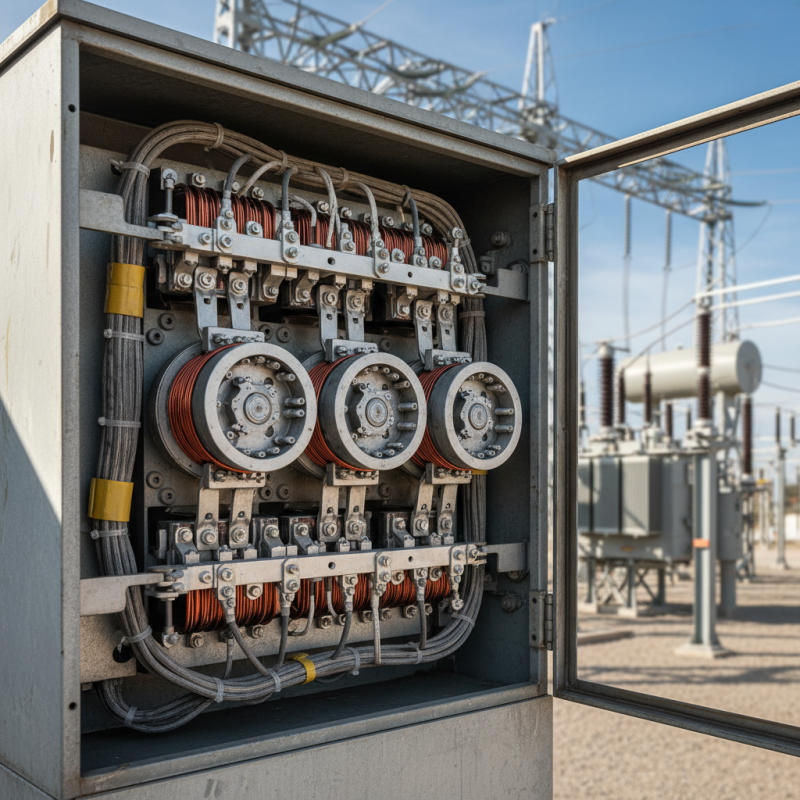
Overview of Step Voltage Regulators and Their Functionality
Step voltage regulators are crucial for managing voltage levels in electrical systems. They adjust voltage at various points in a distribution network. This capability is vital for maintaining system stability and ensuring that equipment operates efficiently. The functionality revolves around altering output voltage based on changes in input voltage. Each regulator comprises multiple taps and a mechanism for switching between them.
These devices enhance power quality. They prevent voltage sags and surges that could damage sensitive equipment. Many industries rely on stable voltage. Fluctuations can lead to costly downtime and repairs. In addition, step voltage regulators are often installed in locations where maintaining consistent power is challenging. For instance, areas with fluctuating loads or frequent outages benefit significantly.
However, while effective, these regulators require careful consideration. Installation can be complex, and miscalculations may lead to inefficiencies. Regular maintenance is essential to keep them functioning properly. Users might find that understanding the technical specifications poses a challenge. Thus, training and expertise are crucial for optimal performance. Overall, step voltage regulators offer significant advantages, but they also demand attention to detail and continuous evaluation.
Enhanced Voltage Stability and Consistency in Electrical Systems
Step voltage regulators play a crucial role in enhancing voltage stability in electrical systems. These devices automatically adjust voltage levels, ensuring consistent power delivery. When voltage fluctuates, equipment can suffer. Appliances may even break down. A stable voltage supply means extended lifespan for sensitive devices.
The consistency provided by step voltage regulators can prevent costly downtime. In industrial settings, this is vital. Workers rely on efficient machines. Unstable voltage can lead to inefficiencies. It causes production slowdowns. Moreover, maintaining optimal voltage levels can lower energy costs over time. If devices operate within their ideal voltage range, they consume power more effectively.
While step voltage regulators are beneficial, they aren't flawless. Installation must be done carefully. Improper setups can lead to inconsistent performance. Regular maintenance is necessary to ensure they function optimally. Users should regularly assess their voltage needs and adjust settings accordingly. This proactive approach helps to fully realize the benefits of these regulators.
Top 10 Benefits of Using Step Voltage Regulators
This bar chart illustrates the top ten benefits of using step voltage regulators, expressed as percentages. Not only do they enhance voltage stability, but they also provide consistent power quality, leading to reduced equipment damage and longer lifespans for devices. This ultimately contributes to improved energy efficiency and adaptability to varying load demands, ensuring a more reliable electrical system.
Protection of Equipment from Voltage Fluctuations and Surges
Voltage fluctuations can seriously damage sensitive equipment. Step voltage regulators play a critical role in protecting devices from these surges. According to a report by the Institute of Electrical and Electronics Engineers (IEEE), equipment failures due to voltage anomalies account for 20% of unscheduled downtime in industrial settings. This alarming statistic highlights the importance of reliable voltage regulation.
Step voltage regulators automatically adjust output voltage to ensure stability. By providing a consistent voltage level, they minimize the risks associated with surges. For instance, a sudden spike may occur due to lightning or grid issues. Without regulation, this fluctuation can lead to equipment failure or reduced lifespan.
Some facilities still operate without these regulators, exposing themselves to unnecessary risks. The cost of equipment repairs or replacements can be staggering. Reports show that companies lose an average of $1 million per year from electrical issues. Investing in step voltage regulation could save millions in the long run. Implementing these systems not only protects assets but also enhances operational efficiency. Adopting such technology should not be overlooked.
Improved Energy Efficiency and Reduced Operational Costs
Step voltage regulators play a crucial role in optimizing energy efficiency for various applications. By maintaining constant voltage levels, they help reduce energy losses caused by fluctuations. This voltage stability is essential in industrial settings, where equipment can be sensitive to variations. With more consistent power, machines operate efficiently, leading to lower energy consumption.
Lower operational costs are another significant benefit of using step voltage regulators. When voltage levels are controlled, equipment experiences less strain. This results in extended lifespan and reduced maintenance needs. Moreover, the reduced energy waste often translates to direct savings on utility bills. Businesses can redirect resources to more critical areas. However, companies must evaluate the initial investment against potential savings carefully. Not every facility may see substantial benefits. Each scenario is unique and should be assessed individually.
Facilitating Regulatory Compliance and Power Quality Standards
Step voltage regulators play a crucial role in maintaining power quality. They help ensure voltage levels remain stable, which is vital for sensitive equipment. With constant fluctuations, equipment may malfunction. A reliable regulator minimizes these risks. This kind of stability is essential for industries facing regulatory compliance issues. Consistency in voltage enables businesses to meet power quality standards efficiently.
The regulations around power quality can be complex. Different regions have various requirements. Companies often struggle to adapt. Step voltage regulators can ease this burden. By offering precise voltage adjustments, they aid in meeting compliance without extensive overhauls. Businesses can avoid penalties while enhancing performance. Yet, it’s not always a perfect solution. Some facilities may find installation and maintenance challenging. Regular checks are necessary to ensure effectiveness.
Often, organizations underestimate the benefits of proper voltage regulation. They risk non-compliance and inconsistent power quality. Prioritizing adequate voltage regulation can lead to significant long-term advantages. With a focus on compliance, step voltage regulators ensure that industries remain competitive. Yet, true integration into operations requires mindful evaluation. It’s crucial to assess specific needs before implementation.
Top 10 Benefits of Using Step Voltage Regulators
| Benefit | Description | Impact |
| Improved Voltage Stability | Maintains consistent voltage levels to equipment. | Reduces equipment stress and prolongs lifespan. |
| Energy Efficiency | Minimizes power loss during voltage regulation. | Decreases energy costs over time. |
| Regulatory Compliance | Helps meet industry standards for power quality. | Avoids penalties and ensures operational legitimacy. |
| Reduced Harmonics | Lessens harmonic distortion in electrical systems. | Improves overall system performance. |
| Equipment Protection | Prevents damage from voltage spikes and surges. | Reduces repair and replacement costs. |
| Seamless Integration | Easy to install in existing systems. | Minimizes downtime during installation. |
| Scalability | Can be adapted to changing power demands. | Supports business growth and enhancements. |
| Enhanced Power Quality | Delivers cleaner power to sensitive devices. | Increases efficiency and reliability of operations. |
| Cost-Effectiveness | Reduces the need for costly power equipment. | Provides better ROI for power management. |
| User-Friendly Monitoring | Features integrated monitoring tools for easy management. | Enhances operational efficiency and oversight. |


 Phone
Phone WhatsApp
 Email
Email