Global buyers are reassessing the Track Socket as lighting moves toward flexible, energy-conscious spaces. Retail stores, galleries, hotels, and modern homes now demand adjustable illumination without repeated ceiling work. A socket may look small. Its performance is not.
The International Energy Agency’s Energy Efficiency 2024 report identifies lighting efficiency as an important energy-saving opportunity worldwide. The U.S. Department of Energy’s Solid-State Lighting research reports also emphasize controls, interoperability, thermal management, and optical quality. These factors directly influence Track Socket selection. Buyers must examine current ratings, conductor design, adapter compatibility, grounding, heat resistance, and installation quality. Appearance alone is not enough.
Lighting scientist Naomi Miller offers a useful principle: “The goal is not more light; it is better light where people need it.” That idea changes the buying conversation. A black aluminum socket may suit a boutique ceiling, while a white, low-profile model may disappear in a residential room. A loose connector, however, can undermine both designs. No ranking is perfect. Regional standards, track systems, and supplier documentation can vary sharply. This guide compares ten Track Socket types through practical criteria, including compatibility, durability, safety information, control options, and long-term maintenance. It also considers real purchasing conditions, such as replacement availability, packaging damage, and unclear technical drawings. Global buyers should verify every specification with the manufacturer before ordering.
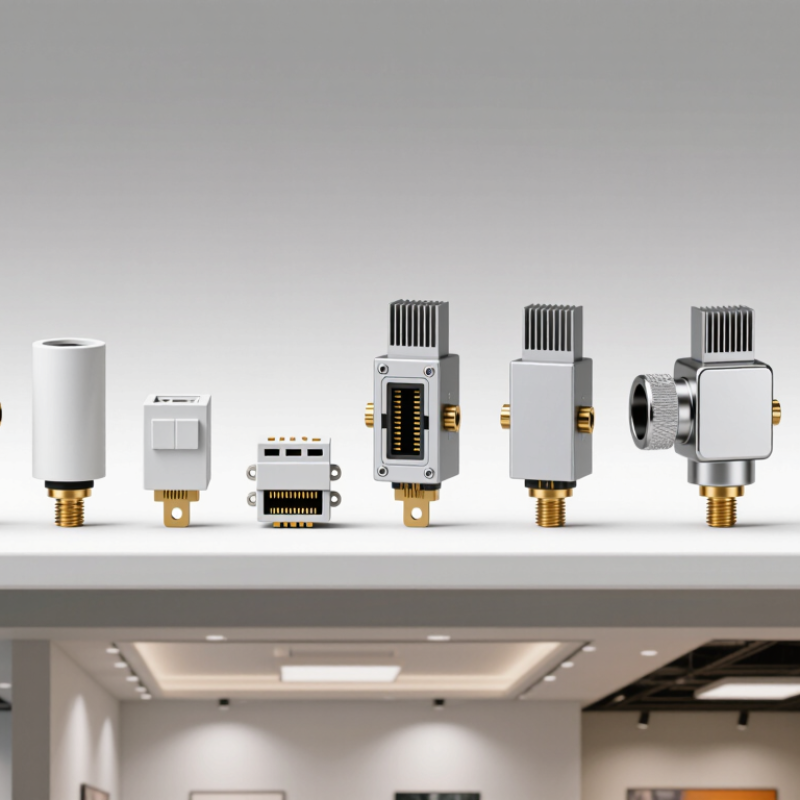
Track sockets are modular electrical interfaces that let a luminaire slide, lock, and receive power from an energized rail. Inside the adapter, spring contacts touch copper conductors. A twist or latch then holds the fitting in place.
Common options include two-wire single-circuit, three-wire grounded, two-circuit, magnetic low-voltage, recessed, surface-mounted, pendant, gimbal, wall-wash, and adjustable sockets.
Market labels can be confusing. Some describe the rail, while others describe the lamp holder, such as GU10, GU5.3, E27, or integrated LED designs.
Compatibility depends on more than appearance. Buyers should check voltage, current rating, grounding, polarity, adapter geometry, and dimmer compatibility. IEC 60570 covers electrical supply track systems for luminaires, but local installation rules still matter.
The International Energy Agency reported that lighting uses about 15% of global electricity consumption in its 2023 energy analysis.
Efficient track systems can reduce waste, especially when directional beams replace unnecessary ambient light. The U.S. Department of Energy’s 2022 solid-state lighting research report also identified LED efficacy above 100 lumens per watt as commercially practical in many applications.
A real showroom test should include repeated removal, rail alignment, and heat inspection. Loose contacts can create flicker. Poorly balanced pendants may stress the adapter. This is where specifications often fail. A socket may fit physically, yet operate poorly with a selected dimmer or driver. Global buyers should request wiring diagrams, photometric data, safety certifications, and sample testing before approving large quantities.
Top 10 Track Socket Types for Global Buyers
How Track Socket Designs Differ by Structure and Installation
Track socket systems vary mainly by body structure, contact layout, and mounting method. Common choices include recessed, surface-mounted, pendant, corner, slimline, modular, double-circuit, magnetic, adjustable, and moisture-resistant types. Recessed models sit inside the ceiling, creating a clean architectural line. Surface-mounted units attach directly to concrete, timber, or finished panels. Pendant designs hang lower and suit counters, islands, and high ceilings. Corner structures help turn around walls without adding separate wiring runs.
Installation details often decide performance. A recessed track needs accurate ceiling preparation and enough cavity depth. Surface tracks require strong anchors, especially on heavy concrete ceilings. Pendant versions need secure suspension wires and careful load distribution. Modular systems allow sections, joints, and sockets to be rearranged later. Magnetic designs install quickly, but their contact surfaces must stay clean. Double-circuit tracks offer separate switching zones, which can reduce unnecessary power use.
Check the conductor layout before ordering. Compatibility is not always obvious. Buyers should confirm voltage, current rating, earthing method, connector direction, and local installation requirements. Moisture-resistant structures may suit covered outdoor areas, but “water-resistant” does not mean waterproof. Field inspections often reveal loose joints caused by rushed alignment. A small gap can affect both appearance and contact stability. I would also question overly complex designs; flexibility sounds useful, yet too many adapters may increase failure points. Good selection balances structure, access, maintenance, and the installer’s actual skill.
How track socket designs differ by structure and installation
The chart compares common track socket and track-system configurations by their typical number of conductors. Two-wire systems are generally used for basic single-circuit power, while three-, four-, and six-wire designs support grounding, separate circuits, or lighting-control functions such as DALI. Actual wiring and ratings vary by local standards and product specification.
The Top 10 Track Socket Types for Global Buyers
Track sockets connect lighting fixtures to an electrified rail, but their designs vary across markets. Careful selection prevents loose fittings, overheating, and costly replacements.
A single-circuit socket suits simple retail or residential lighting. A two-circuit socket allows separate control for different fixture groups. Three-circuit versions provide more switching flexibility in larger displays. Universal sockets accept several fixture mounting styles, which helps when inventories change. Dimmable sockets support adjustable brightness, but the fixture and control system must match. Poor compatibility remains common.
USB-integrated sockets add charging access beside task lighting. Smart sockets may support sensors, timers, or wireless control. Pendant adapters convert suspended fixtures for track installation and work well above counters. Surface-mounted sockets fit shallow ceilings where recessed installation is impractical. Recessed sockets create a cleaner appearance, although installation requires accurate ceiling preparation.
Global buyers should verify rail polarity, rated voltage, current capacity, grounding, and connector geometry. A socket that fits physically may still fail electrically. Check regional certification requirements and installation instructions before ordering. Moisture-prone areas also need an appropriate ingress protection rating. Ask suppliers for drawings, material details, test reports, and sample units. In practice, sample testing reveals problems that product photographs hide. Terminology differs between countries, so a “universal” type may not truly fit every rail. The safest specification includes measurements, application conditions, and replacement expectations.
Top 10 Track Socket Types for Global Buyers
How to Compare Track Sockets by Safety, Compatibility, and Performance
Track sockets vary widely, even when their housings look similar. Common options include single-circuit, multi-circuit, pendant, adapter, and recessed types. Buyers should compare the track standard, connector shape, grounding method, and rated voltage. A socket designed for one system may not lock safely onto another. This mistake is common in international purchasing.
Safety must come before appearance. Check insulation quality, terminal protection, heat resistance, and verified load ratings. Confirm the product’s testing documents and installation instructions. Voltage and frequency also matter across markets. Some sockets support dimming, while others may flicker or overheat with incompatible controls. Professional installation is wise, especially for fixed wiring. Small details matter.
Tips: Ask for dimensional drawings, wiring diagrams, material specifications, and independent test reports. Test sample units with the intended lamps, track, and controller before placing a large order. Check contact stability after repeated installation cycles. Also review the IP rating for humid or dusty locations. I have found that attractive finishes sometimes hide weak terminals. A perfect comparison is rarely possible. Field testing can reveal problems that a datasheet misses. Performance should include heat control, mechanical fit, electrical reliability, and ease of replacement.
| Rank | Track Socket Type | Typical Electrical System | Common Lamp or Load | Typical Voltage / Current | Track Compatibility | Safety Considerations | Performance Profile | Best-Fit Applications | Buyer Priority |
|---|---|---|---|---|---|---|---|---|---|
| 1 | Single-Circuit Two-Wire Socket Adapter | One switched live conductor and neutral; protective earth may be provided separately where required. | LED spotlight, reflector lamp, or compact fixture. | Usually 100–240 V AC; commonly rated up to 6 A, subject to the product specification. | Compatible only with the matching single-circuit track profile and contact arrangement. | Verify earthing, insulation, contact spacing, load rating, and local electrical certification. | Simple switching, low installation complexity, and broad availability. | Homes, small retail areas, galleries, and basic accent lighting. | High |
| 2 | Three-Circuit Four-Wire Socket Adapter | Three independently selectable live circuits plus neutral. | LED spotlights, track heads, and decorative fixtures. | Usually 100–240 V AC; current rating depends on the adapter and track system. | Requires a matching three-circuit track; not interchangeable with two-wire tracks. | Check circuit selector position, contact alignment, earth continuity, and total circuit load. | Supports zoning and flexible scene control without rewiring the track. | Retail stores, museums, showrooms, and commercial interiors. | High |
| 3 | Two-Circuit Three-Wire Socket Adapter | Two separately switched live circuits with a shared neutral. | LED luminaires and adjustable accent fixtures. | Usually 100–240 V AC; follow the stated current and wattage limits. | Works only with the corresponding two-circuit track geometry and polarity. | Confirm correct neutral sharing, circuit identification, grounding, and overload protection. | Offers useful zoning with less wiring than a three-circuit system. | Small shops, hospitality spaces, offices, and residential projects. | Medium-High |
| 4 | Magnetic Low-Voltage Track Socket | Extra-low-voltage DC track with magnetic attachment and electronic power supply. | Integrated LED modules and compact magnetic luminaires. | Commonly 24 V or 48 V DC; current depends on the power supply and module. | Compatible only with the same magnetic track voltage, bus layout, and mechanical profile. | Use the specified power supply, observe polarity where applicable, and avoid exceeding the bus load. | Fast repositioning, low operating voltage, and clean minimalist installation. | Modern homes, offices, hotels, and architectural lighting schemes. | High |
| 5 | GU10 Twist-Lock Track Socket | Mains-voltage lampholder integrated into a track adapter. | GU10 LED or halogen reflector lamps. | Usually 100–240 V AC; lamp wattage and temperature limits must be checked. | Available for several track standards, but the adapter must match the track system. | Ensure the lamp is fully locked, use the correct heat-rated housing, and maintain ventilation. | Easy lamp replacement, focused beam control, and wide LED lamp availability. | Retail displays, kitchens, galleries, and accent lighting. | High |
| 6 | E26/E27 Screw-Base Track Socket | Mains-voltage screw-base lampholder on a track adapter. | LED bulbs, filament lamps, and decorative globes. | Usually 100–240 V AC; commonly limited by the lampholder temperature and wattage rating. | Track connection and lamp-base dimensions must both match the intended market. | Check earth requirements, maximum lamp weight, heat clearance, and socket material rating. | Highly versatile with simple maintenance and many decorative lamp choices. | Hospitality, restaurants, residential interiors, and decorative displays. | Medium-High |
| 7 | GU5.3 / MR16 Low-Voltage Track Socket | Extra-low-voltage lamp holder supplied through a suitable transformer or LED driver. | 12 V GU5.3 or MR16 LED lamps. | Typically 12 V AC or DC; driver compatibility must be verified. | Requires a track adapter and power system designed for low-voltage operation. | Use a compatible driver, protect exposed contacts, and verify polarity for DC systems. | Good beam control and low lamp voltage, but driver quality affects flicker and dimming. | Display cases, furniture lighting, galleries, and compact accent installations. | Medium |
| 8 | G9 Bi-Pin Track Socket | Compact mains-voltage socket integrated with a track adapter. | G9 LED capsule lamps and selected halogen lamps. | Usually 100–240 V AC; verify lamp wattage and heat limits. | Must match both the track connector and the G9 lamp dimensions. | Check thermal clearance, lamp enclosure requirements, and secure pin insertion. | Compact appearance and suitable for small decorative luminaires. | Decorative retail, hospitality, residential, and boutique lighting. | Medium |
| 9 | Pendant or Cord-Drop Track Socket | Track adapter connected to a flexible cord, pendant stem, or suspended lampholder. | E26/E27, GU10, integrated LED, or other approved pendant loads. | Typically 100–240 V AC; electrical and mechanical ratings must both be observed. | Requires matching track contacts, adapter geometry, cord grip, and suspension capacity. | Assess strain relief, suspension weight, cable temperature, and clearance from occupants. | Adds visual flexibility and allows lighting at different mounting heights. | Dining areas, cafés, hotels, residential spaces, and decorative installations. | Medium-High |
| 10 | Dimming- or Control-Compatible Track Adapter | Mains track adapter designed for phase-cut dimming, 0–10 V, DALI, or another specified control method. | Dimmable LED track heads and controllable integrated luminaires. | Often 100–240 V AC; control protocol and load limits vary by system. | Requires matching track wiring, control devices, drivers, and commissioning procedures. | Confirm dimmer compatibility, minimum load, electromagnetic compatibility, and qualified installation. | Enables energy management, scene setting, and precise brightness control when correctly commissioned. | Museums, offices, retail stores, hotels, and smart-building projects. | Medium-High |
Buyer note: Electrical ratings, ingress protection, load limits, dimming behavior, and certification requirements vary by model and destination market. Always confirm the manufacturer’s technical documentation and local installation regulations before purchase or installation.
Track socket selection should follow the lamp, rail, voltage, and application. Common choices include GU10, GU5.3, G9, G4, E27, E14, PAR20, PAR30, COB LED, and integrated LED sockets. GU10 suits retail displays and homes using mains voltage. GU5.3 works well for low-voltage accent lighting, but needs a compatible transformer. E27 and E14 remain practical for decorative interiors. G4 and G9 fit compact cabinets, hospitality areas, and display niches. PAR20 and PAR30 provide stronger beam control for shops and galleries. COB and integrated LED designs offer slim forms and fewer replaceable parts.
Market conditions still matter. The IEA and UNEP reported that lighting represents about 15% of global electricity consumption. Their Global Lighting Challenge also identified LEDs as a major efficiency opportunity. Therefore, integrated LED tracks can suit offices and public projects seeking lower maintenance. However, replaceable GU10 or E27 sockets may fit markets where local servicing matters more. Three-circuit tracks support flexible retail scenes, while single-circuit rails suit simpler residential layouts. A perfect universal option does not exist.
Tips: Check voltage, base dimensions, beam angle, heat clearance, and local conformity requirements. Measure the adapter before ordering. Test one sample first. I have seen attractive fittings fail because the socket depth was overlooked. That small mistake can delay an entire installation. Sodium? No. LED remains the practical direction, but repairability deserves more attention.
WhatsAppOffer Electronics Manufacturing All-in-One
PCBONLINE® is a registered trademark or service mark of pcb online limited or its affiliates.
Copyright © 2001-2024 Pcb Online Limited. All rights reserved