What is Solar Panel Connectors and How to Choose Them?
In the world of renewable energy, Solar Panel Connectors play a crucial role. They ensure a reliable and efficient link between solar panels and the rest of the system. Selecting suitable connectors is essential for maximizing energy output and system longevity.
Choosing the right Solar Panel Connectors involves considering several key factors. Different connectors exhibit varying degrees of durability and electrical performance. For example, some may offer better resistance to environmental factors. Yet, compatibility with specific solar panels is often overlooked. This can lead to system inefficiencies or even failures.
Understanding these connectors also requires knowledge of industry standards. Various types serve distinct purposes. Investing time in research can prevent costly mistakes. Clear guidance may sometimes be hard to find. As you explore, always question the specifications. This leads to a more informed choice in your solar panel systems.
What Are Solar Panel Connectors?
Solar panel connectors serve a crucial role in photovoltaic systems. These connectors ensure efficient energy transfer from solar panels to the inverter. They come in various types, including MC4 connectors, which are commonly used due to their reliability. According to a report by Navigant Research, the global solar connector market is expected to reach $3.9 billion by 2027, highlighting the growing demand for quality connections in solar energy systems.
When choosing connectors, it’s essential to consider factors such as material and rating. Most connectors are made from UV-resistant materials, ensuring durability in outdoor conditions. However, not all connectors perform equally. Some lower-quality options may lead to significant energy loss. An estimated 10% of system efficiency can be lost due to poor connections. Therefore, examining connector specifications is vital for optimizing solar system performance.
Installation practices also impact the reliability of solar panel connectors. Proper crimping techniques can prevent failure. Yet, many installers overlook this aspect, leading to increased maintenance costs. In fact, research indicates that subpar installations can reduce lifespan and efficiency. Monitoring connection integrity regularly is prudent to maintain optimal energy output.
Types of Solar Panel Connectors Available in the Market
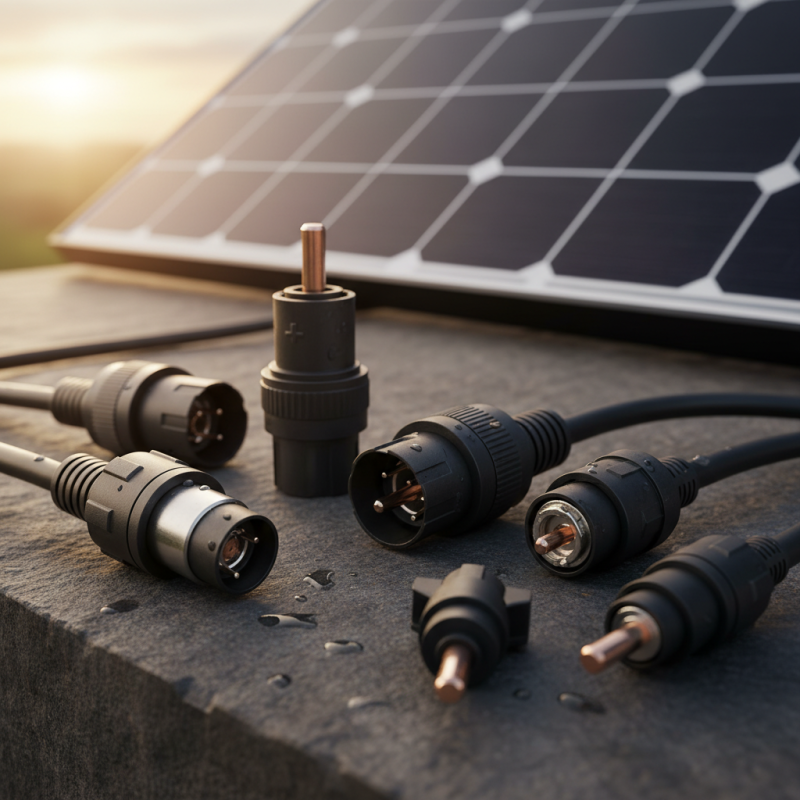
When selecting solar panel connectors, it's crucial to understand the types available. Common styles include MC4 connectors, which are widely used in solar installations. Their design allows for secure and waterproof connections, making them ideal for outdoor use. Another option is the Tyco connector, praised for its durability in harsh environments.
There are also branch connectors. These allow multiple panels to connect in parallel. They can simplify installations by reducing the number of connections. However, they may pose a challenge when troubleshooting, as the failure of one panel can affect the entire system. Understanding the pros and cons of each type helps ensure a reliable solar setup.
Choosing the right connectors isn't always straightforward. Compatibility with existing systems and the environment they’ll be used in are key factors. Many users overlook these aspects. For example, connectors exposed to extreme temperatures may degrade over time. It's vital to review product specifications and application guidelines to make informed decisions.
Types of Solar Panel Connectors and Their Usage
This chart represents the market share of different types of solar panel connectors available. MC4 connectors dominate the market, while others like Tyco and Amphenol also have significant shares. Understanding these types of connectors can help in choosing the right component for your solar panel installation.
Key Features to Consider When Choosing Solar Panel Connectors
When choosing solar panel connectors, several key features deserve attention. First, consider the connector's type and compatibility. There are various types available in the market, such as MC4 connectors, which are popular for their reliability. Ensuring a proper match with your solar panel system is essential for optimal performance and safety.
Next, pay attention to the material quality. Connectors made from durable materials, like UV-resistant plastics and corrosion-resistant metals, ensure a longer lifespan. A strong, well-sealed connector reduces the risks of water infiltration and electrical arcing. This aspect is crucial for maintaining efficient energy production over time.
Lastly, evaluate the current and voltage ratings. Connectors must support your system's specifications for safe and effective operation. It's also critical to verify the temperature range, as solar installations often face extreme conditions. Regular reviews of connector performance can also indicate potential issues that need addressing.
How to Properly Install and Maintain Solar Panel Connectors
Proper installation and maintenance of solar panel connectors is crucial for optimal solar system performance. Data from the Solar Energy Industries Association (SEIA) indicates that improper connections can lead to significant energy loss, affecting overall efficiency by approximately 20%. Choosing the right connectors is essential for ensuring safety and longevity. A common recommendation is to use connectors rated for at least 1000V DC, as this voltage rating minimizes risks associated with overcurrent situations.
Regular inspections can prevent larger issues down the line. It is advisable to check connectors every six months. Look for signs of corrosion or wear. Corroded connectors can lead to increased resistance, which affects the entire solar array. Cleaning connectors with a soft cloth can help maintain a solid electrical contact. Additionally, make sure connectors fit securely. Loose connections can cause arcing, potentially damaging the system.
In extreme weather conditions, connector maintenance becomes even more critical. Temperature fluctuations cause expansion and contraction. This can loosen connections over time. Professional reports show that properly maintained connectors enhance both performance and safety. Investing in quality connectors and routine checks can optimize a system's output, but neglecting these aspects can lead to costly repairs and decreased energy production.
Safety Considerations and Best Practices for Solar Panel Connections
When it comes to solar panel connections, safety is paramount. Properly installed connectors can prevent hazards like electrical fires. Always ensure connectors are rated for your specific system. Check for certifications that indicate reliability. Use weather-resistant materials to guard against environmental factors.
Maintaining a clean connection point is also crucial. Dust and debris can lead to poor contacts, affecting performance. Regular inspections can help identify wear and tear. Replacing connectors periodically is a good practice. Remember that not all connectors are created equal. Some may not match your system’s voltage or current requirements.
Remember to adhere to proper torque specifications when tightening connections. Over-tightening can damage the connector, while under-tightening can lead to failure. If you're uncertain about installation techniques, seek expert advice. Sharing knowledge with experienced installers can improve your understanding. Always prioritize safety to ensure a reliable solar energy system.


 Phone
Phone WhatsApp
 Email
Email