How to Choose the Right Phoenix Connectors for Your Project?
Choosing the right Phoenix Connectors for your project can be challenging. These connectors come in various types and specifications. Understanding the specific requirements of your application is key to making the best choice.
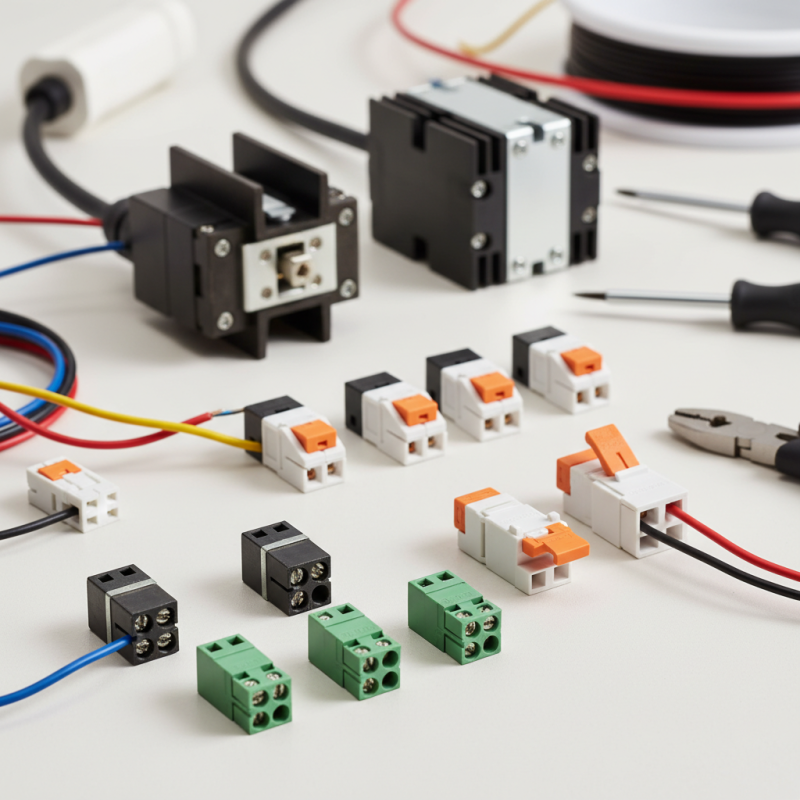
For instance, consider the type of connection you need. Do you require a screw terminal or a push-in style? The form factor also matters. Compact designs may be essential for tight spaces, while larger connectors could handle higher currents.
Don’t overlook the quality of materials. Some Phoenix Connectors are built for harsh environments. However, others may not withstand extreme temperatures or humidity. Reflect on the long-term durability and reliability you desire in your project. A thoughtful approach will lead to better outcomes and less frustration later on.
Understanding Phoenix Connectors: Types and Applications
Phoenix connectors come in various types. Each type serves specific applications. Understanding these differences is crucial for a successful project. For instance, terminal blocks are popular for interconnecting wires. They provide a secure connection, but they may require tools for installation. Make sure to choose the right size for your application.
Another type is PCB connectors, widely used in circuit boards. These connectors are compact and efficient. They can minimize space while ensuring reliable performance. However, their small size may pose a challenge during installation. Ensure you have the right handling equipment to avoid damage.
Consider also the environment where these connectors will be used. Some connectors are designed for harsh conditions. Temperature, dust, and moisture can affect their performance. Reflect on the specific requirements of your project. Evaluating these factors can guide you in making better choices. This careful consideration helps prevent future issues and enhances overall project success.
How to Choose the Right Phoenix Connectors for Your Project? - Understanding Phoenix Connectors: Types and Applications
| Connector Type | Number of Positions | Current Rating (A) | Voltage Rating (V) | Application |
| Screw Terminal Connectors | 2 - 12 | 20 | 300 | Industrial Automation |
| Plug-in Connectors | 3 - 8 | 16 | 250 | Control Panels |
| PCB Mount Connectors | 2 - 16 | 10 | 150 | Consumer Electronics |
| Railway Connectors | 4 - 24 | 40 | 1000 | Transport Infrastructure |
| Field Wireable Connectors | 2 - 10 | 25 | 400 | Outdoor Applications |
Key Factors to Consider When Choosing Phoenix Connectors
Choosing the right connectors for any project is crucial. The Phoenix connectors are widely used because of their reliability and versatility. However, not every connector fits every project. Understanding the specific requirements of your system is vital. You should consider voltage ratings, current capacity, and environmental factors. A connector may be rated for high voltage, but it might not withstand harsh conditions outdoors.
The material of the connector is another critical factor. Different materials can impact conductivity and durability. According to industry reports, connectors made from high-quality copper alloys often provide better conductivity than alternatives. Corrosion resistance is also essential. In applications exposed to moisture, choosing a connector with appropriate sealing and protection is necessary.
There is also the matter of connecting technology. Screw clamp or spring-loaded mechanisms can influence the efficiency of connections. Make sure to review how often you anticipate needing to disconnect and reconnect. Ease of use can save time and reduce frustration. Remember, even a small oversight in choosing connectors can lead to significant issues down the line. Some projects may benefit from a connector that is over-specified, which can add unnecessary costs without tangible benefits. Exploring various options can sometimes yield better long-term results.
Evaluating Specifications: Current Rating, Voltage, and Temperature
Choosing the right connectors for your project involves understanding key specifications. Current rating is crucial. It determines how much current can safely flow through the connector. Exceeding this rating can lead to overheating and failure. Always assess the amperage your application requires.
Voltage handling is equally important. If your circuit operates at higher voltages, select connectors capable of handling them. Mismatched voltage ratings can be dangerous. They can cause malfunction or even create fire hazards.
Temperature specifications should not be overlooked. Connectors may be exposed to varying temperatures. Ensure the connectors can withstand extreme conditions. Poor temperature tolerance can jeopardize performance and reliability. Regular evaluation is necessary. A connector that works today might fail tomorrow. Always reflect on your choices. Make adjustments as needed.
Compatibility: Ensuring Connectors Fit Your Equipment and Wiring
When selecting connectors for your project, compatibility is critical. Ensuring that connectors fit your equipment and wiring can prevent costly mistakes. According to a recent industry report, 78% of installation failures result from mismatched connectors. This highlights the importance of verifying specifications before making a purchase.
It’s essential to consider various factors. Check the connector type and pin configuration. Make sure they align with the devices you are using. Dimensions matter too; connectors that are too large or small can lead to improper fit. A detailed examination of the datasheets can reveal vital information about tolerances and material quality. Don't solely rely on labeling; double-check compatibility with technical requirements.
But even the best planning can hit roadblocks. In one case study, a project delayed by three weeks stemmed from overlooked connector sizes. Such mishaps can lead to budget overruns. Understanding the right applications for each connector type can save time and resources. Always ask: Are you truly considering all compatibility factors? Each decision can make a significant impact on your project's success.
Installation and Maintenance Tips for Phoenix Connectors
When working with connectors, proper installation is crucial. Start by examining the connection points. Ensure they are clean and free from debris. Use the right tools to avoid damaging the connectors during installation. Cable strain relief plays a big role. Always leave some slack in the wire. This way, it won't stress the connection.
Maintenance is just as important. Regularly check connections for wear or corrosion. Gently tug on connections to confirm they are secure. If you notice any damage, replace the connectors immediately. Neglecting these checks can lead to failures in your project. It's surprising how small issues can escalate.
Documenting your installation process can be very helpful. Jot down what worked and what didn’t. This reflection will guide future installations. Remember, even experienced professionals face challenges. Learning from mistakes is key to improvement. So, take the time to review and adapt your methods.


 Phone
Phone WhatsApp
 Email
Email