China Top LED PCB Board Manufacturers for Global Buyers

Choosing the right Led Pcb Board manufacturer can determine whether an LED product survives real-world use. Global buyers need more than attractive prices. They must examine thermal performance, copper thickness, surface finish, drilling accuracy, and production consistency.

A dependable supplier should explain how its boards manage heat around high-power LEDs. Aluminum-core boards often support compact lighting designs, while copper substrates may suit demanding thermal applications. Ask for thermal-resistance data, impedance details, sample reports, and inspection records. Factory photographs help, but they are not enough. A video call, sample order, or third-party audit can reveal more.

Ming-Hao Lin, a veteran LED thermal-design engineer, states, “A good Led Pcb Board does not merely carry current; it controls heat before heat controls the product.” This principle deserves attention. Excess heat can darken lenses, shorten LED life, and create uneven brightness. Yet thermal design is only one part of supplier evaluation. Buyers should also review solder-mask quality, dimensional tolerance, panel utilization, packaging, and communication speed.

Manufacturing experience matters. A supplier that understands automotive lighting may not automatically fit a decorative lighting project. Requirements differ. Some buyers also overvalue certifications without checking actual process control. That is a mistake worth reconsidering.

This guide compares leading China-based manufacturers for international buyers. It focuses on engineering capability, quality evidence, customization, export experience, and after-sales reliability. No ranking is perfect. Supplier performance can change, and independent verification remains essential before placing a large order.
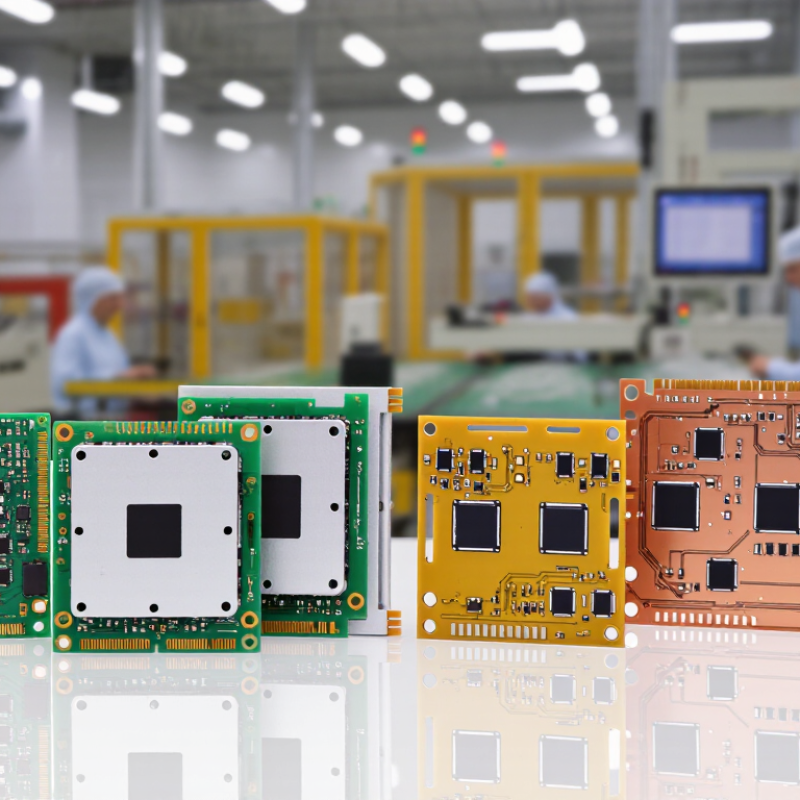
China Top LED PCB Board Manufacturers for Global Buyers

LED PCB Boards: Types, Functions, and Global Applications

LED PCB boards support lighting, signaling, displays, and automotive systems. Their main types include single-layer, double-layer, and multilayer designs. Aluminum-core boards remove heat quickly from high-power LEDs. FR-4 boards suit compact, lower-heat control circuits. Flexible PCB boards bend around narrow spaces, such as vehicle lamps and wearable devices. The International Energy Agency reported in 2024 that LEDs represented nearly half of global lighting sales. This shift increases demand for reliable thermal design and stable electrical performance.

An LED PCB carries current, positions diodes, and transfers heat away from sensitive components. In streetlights, metal-core boards help maintain brightness during long operating hours. In medical displays, multilayer boards support dense circuits and precise signal control. In automotive applications, vibration resistance becomes critical. Fortune Business Insights estimates strong expansion in the global LED lighting market through 2032. Still, market forecasts are not guarantees. Real performance depends on copper thickness, thermal interface quality, soldering control, and testing discipline.

Tips: Match the board material to heat output, not only purchase price. Check thermal resistance, operating temperature, and insulation requirements before production. Request testing records for thermal cycling and electrical safety. A perfect specification can still fail. Field conditions often expose overlooked weaknesses, especially dust, vibration, and repeated power cycles. Suppliers should also verify dimensions, surface finish, and component placement with production samples.

China’s LED PCB Manufacturing Landscape and Key Production Capabilities

China’s LED PCB manufacturing landscape covers aluminum substrates, copper-based boards, FR-4 designs, and multilayer circuits.

Aluminum MCPCBs remain common for streetlights, panels, and automotive lighting. They move heat away from LEDs quickly.

Production begins with laminate cutting, circuit imaging, etching, drilling, and surface finishing.

Many factories support single-sided and double-sided boards. More advanced lines handle fine traces, plated holes, and controlled impedance.

Thermal conductivity varies widely between materials. Buyers should verify actual test data, not rely only on catalog claims.

Quality control usually combines automated optical inspection, flying-probe testing, solderability checks, and thermal cycling.

Reliable manufacturers record lot numbers, material batches, and inspection results. This improves traceability when a board fails after installation. It also exposes process weaknesses.

Small details matter.

Uneven solder-mask thickness can affect assembly. Poor flatness may weaken thermal contact with an LED module. Some suppliers still overstate heat-dissipation performance.

I would request sample boards, cross-section reports, and dimensional records before approving mass production. A factory visit can reveal storage problems, rushed manual work, or inconsistent cleanliness. These observations are not perfect evidence, but they help global buyers judge production discipline. Shipping support, protective packaging, and clear technical communication also influence final reliability.

How to Evaluate Top Chinese LED PCB Board Manufacturers

Evaluating China’s top LED PCB board manufacturers requires more than comparing prices. Request factory photos, production addresses, and recent audit records. Ask whether the workshop controls drilling, copper plating, solder-mask printing, and final inspection. A polished website proves little. Ask for factory evidence. Experienced buyers should review sample boards under a lamp. Check solder-mask edges, exposed copper, hole alignment, and surface scratches. These details often reveal process discipline.

Technical documents deserve careful attention. Request material specifications, copper thickness, thermal data, impedance reports, and dimensional tolerances. Confirm whether test methods match your project requirements. For high-power LED assemblies, examine thermal conductivity and heat-spreading design, not only the advertised substrate type. Ask how the manufacturer manages batch traceability. Each shipment should connect to material lots, inspection records, and operator checks. Reliable suppliers can explain rejected-board procedures without avoiding difficult questions.

Communication also shows engineering maturity. Send the same drawing and questions to several manufacturers, then compare the precision of their replies. A capable team should identify unclear dimensions before production begins. Verify sample consistency across multiple batches, because one excellent prototype can mislead. Site audits, independent testing, and signed quality agreements add useful evidence. Still, no evaluation is perfect. I would keep a small allowance for unexpected warpage, color variation, or delivery delays. That caution is practical. Expect proof, not promises.

Quality Standards, Customization, and Export Readiness for Global Buyers

China’s leading LED PCB manufacturers serve demanding lighting, display, and automotive projects. Quality begins with measurable controls, not attractive samples. Buyers should request IPC-6012 qualification, IPC-A-600 inspection records, and ISO 9001 certification evidence. Important checks include copper thickness, dielectric tolerance, thermal resistance, solder-mask coverage, and plated-hole integrity. A 2024 Grand View Research assessment valued the global LED lighting market at roughly USD 79 billion in 2023. That scale increases pressure for stable, repeatable PCB production.

Customization separates capable suppliers from catalogue sellers. Engineers may adjust aluminum substrate thickness, thermal conductivity, board shape, LED spacing, and mounting holes. Ask for thermal simulation data and a first-article inspection report before mass production. A useful sample should survive reflow, vibration, and repeated thermal cycling. Not every supplier reports these results clearly. That gap deserves attention. Experienced buyers should compare test methods, not only headline specifications.

Export readiness involves more than packaging. Manufacturers should provide English technical documents, consistent carton labels, RoHS and REACH declarations, HS-code support, and traceable batch numbers. UNCTAD’s Review of Maritime Transport 2024 states that over 80% of global merchandise trade by volume moves by sea. Moisture barriers, shock protection, and pallet stability therefore matter during long transit. Confirm lead times, replacement procedures, inspection responsibilities, and document control in writing. A strong factory may still have imperfect communication. Regular video audits and pre-shipment checks can expose small problems before they become expensive delays.

A Step-by-Step Guide to Selecting a Reliable China LED PCB Supplier

Selecting a reliable China LED PCB supplier starts with the board’s working conditions, not a sales catalog. Define LED power, substrate type, copper thickness, thermal target, dimensions, and monthly volume. Ask for a controlled sample using your actual circuit. A bright sample proves little. Check solder mask edges, drilled holes, surface finish, and flatness under direct light. Request process records for impedance, thermal resistance, and electrical testing. Keep the drawings revision-controlled.

Supplier credibility should be tested on the factory floor. Request current certifications, equipment lists, inspection flow, and traceability examples. Confirm whether testing is performed in-house or subcontracted. Speak with the engineering contact, not only the salesperson. Ask how defects are isolated, reported, and corrected. A reliable team will explain limits clearly. Vague promises deserve a pause. Review sample consistency across several batches, because one successful panel may be luck.

Commercial checks matter too. Compare tooling charges, lead times, packaging, payment terms, and replacement procedures in writing. Confirm export documents and production capacity during peak seasons. Use a small pilot order before committing to a large forecast. Inspect incoming boards with a simple checklist and record failures by lot number. I have seen buyers overvalue a low quotation and overlook thermal drift after assembly. That mistake is expensive. Your evaluation may also be incomplete; revisit it after field testing and supplier communication. Good selection is measured over repeated deliveries, not one impressive meeting.

China Top LED PCB Board Manufacturers for Global Buyers - A Step-by-Step Guide to Selecting a Reliable China LED PCB Supplier

Selection Step Evaluation Dimension Practical Benchmark for LED PCB Projects Documents or Evidence to Request Why It Matters Recommended Buyer Action
1 Product and application fit The supplier should support the required LED format, operating current, thermal load, board dimensions, and installation environment. Technical questionnaire, capability matrix, sample drawings, and application references with sensitive details removed. A board designed for indoor indicators may not be suitable for high-power lighting, outdoor signage, or automotive applications. Send the same complete specification package to several suppliers and compare their technical responses.
2 PCB material and thermal design Confirm whether the design requires FR-4, aluminum-based metal-core PCB, or another insulated metal substrate. Ask for the specified thermal conductivity and dielectric structure. Material datasheet, stack-up drawing, thermal specification, copper-weight confirmation, and insulation-layer details. LED lifetime and light output are strongly affected by junction temperature and the effectiveness of the board’s heat path. Match the board material to the LED power level and verify thermal assumptions with a design engineer.
3 Manufacturing capability Check supported board size, minimum trace and spacing, minimum hole size, layer count, copper thickness, surface finish, solder-mask colors, and panelization limits. Current capability sheet, design-for-manufacturing rules, equipment list, and a sample production panel. Capability gaps can cause redesigns, low yield, inconsistent soldering, or unexpected tooling charges. Ask the supplier to review the Gerber files before issuing a final quotation.
4 Quality management system A documented quality system should control incoming materials, in-process inspection, final inspection, nonconforming products, and corrective actions. Valid quality certificates, scope statements, recent audit summaries, inspection plans, and corrective-action records with confidential information removed. A certificate alone does not guarantee quality, but controlled procedures improve repeatability and traceability. Verify certificate validity and confirm that its scope covers the relevant PCB manufacturing activities.
5 LED PCB inspection and testing Typical controls include automated optical inspection, electrical testing, solderability checks, dimensional inspection, and visual inspection. High-reliability projects may also need thermal or reliability testing. Inspection flow chart, test coverage statement, sample inspection report, test equipment calibration records, and agreed acceptance criteria. Testing helps detect open circuits, short circuits, solder defects, dimensional errors, and surface-finish problems before shipment. Define inspection points and acceptable quality limits in the purchase specification.
6 Compliance and restricted substances For many international markets, confirm material compliance with applicable restricted-substance requirements and product-specific regulations. Material declarations, supplier declarations of conformity, laboratory reports where required, and applicable safety documentation. Incomplete compliance documentation can delay customs clearance, customer approval, or market entry. State the destination market and required compliance documents before sampling or mass production.
7 Prototype and sample process The supplier should provide a documented process for engineering review, prototype production, sample inspection, design changes, and approval before mass production. Prototype quotation, lead-time commitment, engineering-change procedure, first-article report, and sample approval form. A controlled sample stage reduces the risk of repeating design or manufacturing problems in a larger order. Approve the sample against measurable criteria rather than appearance alone.
8 Cost transparency The quotation should separate board price, tooling, engineering, testing, packaging, freight assumptions, taxes, and other one-time or recurring charges. Itemized quotation, price-validity period, tooling ownership terms, payment terms, and conditions for material-price changes. The lowest initial unit price may not represent the lowest total cost after tooling, yield, freight, and quality risks are included. Compare total landed cost and commercial terms using the same annual volume and delivery assumptions.
9 Production lead time and capacity Confirm separate timelines for engineering review, prototype production, first production, repeat orders, and any material procurement. Capacity statement, production schedule example, material lead-time assumptions, and written escalation procedure. A supplier may meet prototype timing but fail to support recurring volume or seasonal demand. Request a production plan based on your forecast and identify approved backup materials where appropriate.
10 Packaging and export logistics Packaging should protect against moisture, electrostatic discharge, bending, contamination, and transit damage; shipping terms must be clearly defined. Packaging specification, moisture-control method, carton details, shipping documents, and agreed Incoterms. Poor packaging can damage solderable surfaces and cause oxidation, warpage, or physical defects during long-distance transport. Approve packaging samples and specify labeling, lot identification, and quantity per package.
11 Communication and technical support The supplier should provide clear English documentation, timely engineering feedback, named points of contact, and an escalation path for quality or delivery issues. Response-time commitment, communication matrix, engineering review examples, and nonconformance escalation workflow. Fast, accurate communication prevents misunderstandings in drawings, revisions, approvals, and shipment requirements. Use a controlled revision system and require written confirmation of every critical change.
12 Final supplier verification The final shortlist should pass technical, quality, commercial, compliance, and delivery checks before purchase approval. Completed supplier questionnaire, sample evaluation, audit report, approved quotation, quality agreement, and purchase contract. A structured decision reduces dependence on price or sales claims and creates a documented basis for supplier selection. Use a weighted scorecard and conduct a remote or on-site audit for critical or high-volume projects.
Suggested evaluation weighting: Technical capability 25%, quality system and testing 25%, compliance 15%, total landed cost 15%, lead time and capacity 10%, communication and service 10%.