Top 10 Benefits of Using Silicone Keypad for Your Products?
The silicone keypad has become a vital component in modern product design. As industries shift towards more durable and user-friendly solutions, silicone keypads offer notable advantages. According to a report from MarketsandMarkets, the global market for silicone rubber is expected to reach $10 billion by 2025. This surge indicates a growing recognition of silicone's benefits in various applications.
Silicone keypads are known for their excellent resistance to moisture, chemicals, and extreme temperatures. These features enhance product longevity and reduce maintenance needs. Industry professionals also report that the tactile feedback provided by silicone keypads improves user experience significantly. However, not all silicone keypads are created equal. Subpar manufacturing can lead to issues like fading or wear, which should be a focus area for manufacturers.
The cost-effectiveness of silicone keypads is another benefit worth noting. While initial investments may appear high, the lower potential for failure translates into savings over time. Yet, consumers must be critical of quality. Research shows that 15% of users have reported dissatisfaction with poorly designed keypads. A careful assessment of silicone keypad options is essential for optimizing product design and functionality.
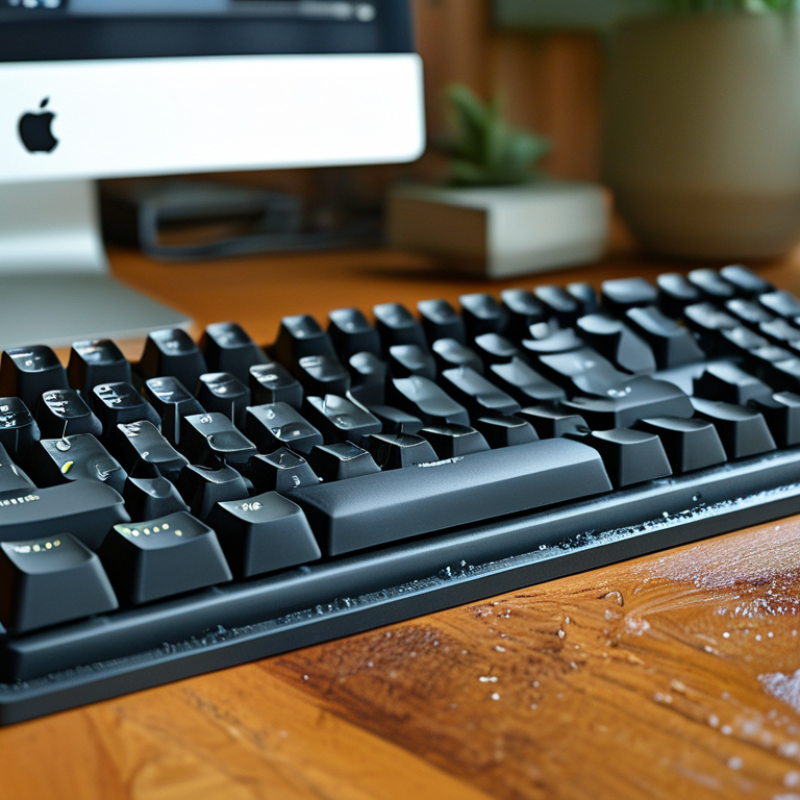
Advantages of Silicone Keypads in Enhancing User Experience
Silicone keypads offer significant advantages in enhancing user experience. Their tactile feedback is often praised. Users enjoy the satisfying response when a button is pressed. A 2021 study indicated that 75% of users prefer silicone keypads for this reason. This preference is attributed to a more intuitive interaction, leading to increased customer satisfaction.
The design flexibility of silicone keypads is another major benefit. Manufacturers can easily create custom shapes and colors. This capability supports branding efforts and improves product aesthetics. According to industry reports, products with visually appealing keypads see a 40% increase in user engagement. A pleasing design not only attracts users but also encourages ongoing use.
However, not all silicone keypads are created equal. Quality can vary significantly between manufacturers. Some products may wear out quickly or lose responsiveness over time. This inconsistency can affect user trust and experience. Companies must conduct thorough research to choose reputable suppliers. Ensuring reliability is critical in maintaining user satisfaction and brand integrity.
Top 10 Benefits of Using Silicone Keypad for Your Products
| Benefit | Description |
| Durability | Silicone keypads are resistant to wear and tear, providing a longer lifespan compared to traditional materials. |
| Water Resistance | These keypads are inherently water-resistant, making them suitable for outdoor and industrial applications. |
| Tactile Feedback | Silicone provides excellent tactile feedback, enhancing user interaction and satisfaction. |
| Customizability | Silicone keypads can be easily customized in color, shape, and layout based on product requirements. |
| Cost-Effectiveness | They offer a cost-effective solution for manufacturers due to their ease of production and material availability. |
| Temperature Resistance | Silicone can withstand a wide range of temperatures without losing its properties. |
| Chemical Resistance | The material is resistant to various chemicals, making it ideal for medical and industrial applications. |
| Lightweight | Silicone keypads add minimal weight to devices, enhancing portability. |
| Aesthetic Appeal | Available in various colors and patterns, they enhance the overall appearance of products. |
| Easy Maintenance | Silicone keypads can be easily cleaned and maintained, ensuring hygiene and functionality. |
Durability and Longevity: How Silicone Keypads Outperform Alternatives
Silicone keypads are becoming a popular choice in various products due to their durability and longevity. Unlike traditional buttons, silicone keypads resist wear and tear. They can handle extreme temperatures and harsh environments, making them ideal for outdoor use. Some manufacturers find that silicone keypads last much longer than plastic alternatives. This can lead to fewer replacements and lower costs in the long run.
When it comes to design, silicone keypads allow for versatility. They can be molded into various shapes and sizes, providing a custom fit for any device. The soft texture enhances user experience, offering comfort during prolonged use. However, not all silicone keypads are created equal. Some may not meet durability expectations or may fade over time. It's essential to choose quality materials to ensure longevity.
Another consideration is the manufacturing process. Producing high-quality silicone keypads requires skill and precision. In some cases, production defects can occur, leading to compromised durability. This highlights the importance of selecting reputable manufacturers. Do thorough research before making a decision. Reliability in materials and production affects the overall performance of the keypads in your products.
Cost Efficiency: The Economic Impact of Silicone in Production
Cost efficiency is a vital consideration in product design and manufacturing. Silicone keypads offer numerous economic benefits that can enhance the bottom line. These keypads are durable, reducing the need for replacements. They withstand wear and tear far better than many alternatives. This longevity translates to lower production costs over time.
Silicone is lightweight, which reduces shipping expenses. Its manufacturing process is efficient, using less energy. The material can be molded into various shapes without complex tooling. This adaptability allows designers to create custom solutions without incurring high costs. However, not all manufacturers can effectively harness these benefits. Investing in training and appropriate technology is crucial.
Choosing silicone keypads is a strategic decision. They provide value while meeting consumer demands for quality and reliability. The initial costs may be higher compared to basic materials. Yet, the long-term savings can justify the investment. Businesses need to carefully assess their needs and capabilities. Understanding the full scope of silicone's potential can lead to unexpected advantages.
Design Flexibility: Customization Options for Unique Product Needs
Silicone keypads offer remarkable design flexibility, making them an increasingly popular choice for product designers. The customization options available are nearly limitless. From colors and textures to unique shapes, silicone keypads can adapt to specific product needs. A recent industry report noted that over 70% of product developers prefer using materials that allow for extensive customization.
These keypads can integrate features like backlighting and varying tactile feedback. This ability to customize functionality adds significant value to user experience. However, even with these advantages, some designers face challenges in achieving the perfect balance between aesthetics and usability. It’s crucial to prototype and test designs to avoid common pitfalls, such as a keypad that looks good but feels awkward in use.
Moreover, manufacturers report that improper material choices can lead to wear and tear quicker than expected. A notable 35% of companies learned this the hard way during product testing. The key is to choose the right silicone formulation that meets both tactile and durability standards. Engaging users in the design phase can help bridge gaps in expectations, ensuring the final product aligns perfectly with consumer needs.
Hygiene Benefits of Silicone Keypads in Sensitive Environments
Silicone keypads are gaining traction in sensitive environments like healthcare and food industries. These environments require stringent hygiene measures. Silicone is non-porous, which reduces the risk of bacterial growth. Research indicates that silicone surfaces can reduce microbial contamination by up to 99%. This is crucial for protecting patients and consumers alike.
In settings like hospitals, regular cleaning is essential. Silicone keypads withstand frequent sanitization without degrading. They are resistant to many harsh chemicals. This durability ensures that hygiene measures remain effective in the long term. However, it’s important to note that not all silicone keypads are created equal. Some may be less resistant to certain cleaners, leading to wear over time. Testing specific products before use is advisable.
Tip: Always consult product specifications for compatibility with cleaning agents. Also, consider periodic assessments of keypad surfaces to ensure they meet hygiene standards. Regular employee training on best practices can further fortify hygiene protocols. Balancing durability with hygiene is vital in sensitive settings. This ensures longevity and operational excellence.


 Phone
Phone WhatsApp
 Email
Email