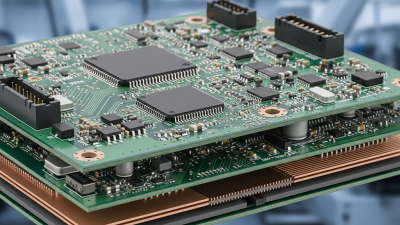
2026 Top PCB Board Assembly Types for Global Buyers

In 2026, global electronics buyers will evaluate more than a board’s circuit density. They will compare assembly structure, production method, reliability, and long-term supply support. Pcb Board Assembly decisions influence thermal performance, repair access, component placement, and total product cost. A compact medical controller may require high-density interconnect technology, while an industrial power module may need heavy copper and strong heat dissipation. The right choice depends on the application, not on marketing language.

This guide introduces the major Pcb Board Assembly types used by international manufacturers and sourcing teams. It covers surface-mount technology, through-hole assembly, mixed technology, single-sided, double-sided, and multilayer configurations. It also examines rigid-flex, high-density interconnect, and metal-core boards where their technical value is clear. Each section considers component size, expected production volume, inspection needs, repairability, and environmental demands. Practical factory experience shows that a low unit price can hide costly rework, weak traceability, or difficult testing. That matters.

Reliable buyers should review process controls, material certifications, assembly tolerances, inspection records, and supplier communication before approving a design. Standards such as IPC requirements can support consistent evaluation, but certification alone does not guarantee every project will perform perfectly. Some applications still require additional testing, thermal analysis, or prototype revisions. That part is often underestimated. This overview is designed to help engineers, procurement teams, and distributors compare assembly options with clearer evidence and fewer assumptions. It recognizes one uncomfortable truth: the most advanced assembly is not always the most suitable one.
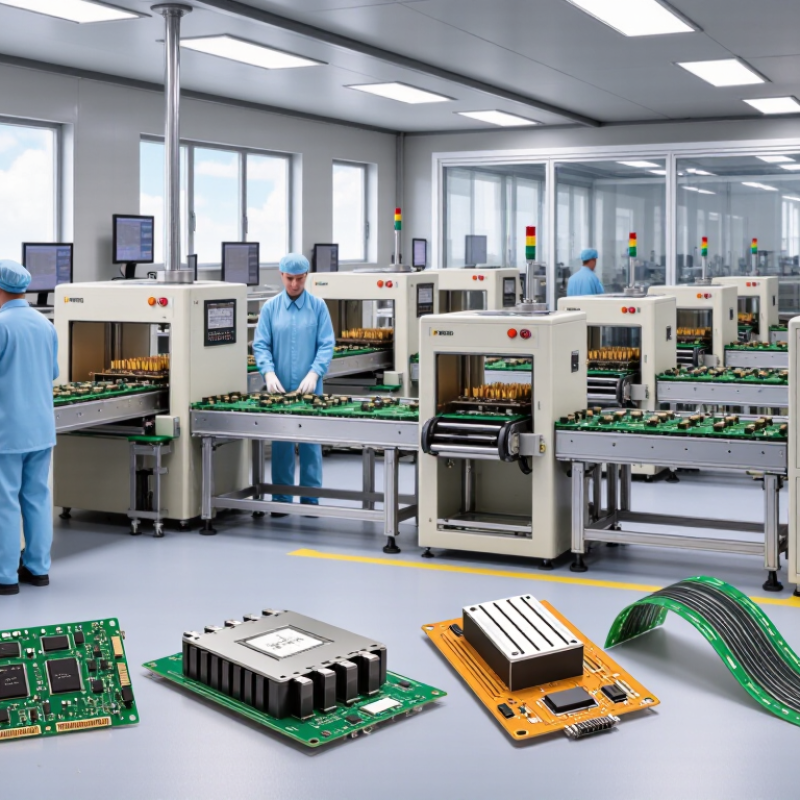
2026 Top PCB Board Assembly Types for Global Buyers

What PCB Board Assembly Means in 2026

What PCB Board Assembly Means in 2026

PCB board assembly means converting a bare circuit board into a tested electronic product. In 2026, this work includes component placement, soldering, inspection, programming, and traceable quality records. The process starts before production. Engineers review the layout, component availability, thermal risks, and assembly tolerances.

A board may use surface-mount technology for compact circuits, through-hole parts for mechanical strength, or a mixed process for both needs.

Details matter greatly.

A placement machine can install thousands of tiny components, while solder paste thickness affects every joint. Automated optical inspection checks alignment and solder quality. X-ray inspection can reveal hidden voids under certain components.

Functional testing then confirms whether the assembled board behaves correctly under real operating conditions.

Global buyers should request process capability data, sample inspection reports, and clear change-control procedures.

Not every assembly line performs equally.

A perfect-looking board can still fail after heat cycling or vibration. Test coverage also has limits. This is easy to overlook.

Moisture control, electrostatic protection, component authenticity, and batch traceability remain practical concerns.

Experienced buyers often compare pilot-run results with mass-production data before approving larger orders.

Design assumptions may still fail in production, especially around tight clearances and difficult-to-source parts. Honest engineering reviews should leave room for correction, not just approval.

Main PCB Assembly Types and Their Structural Differences

For global buyers, PCB assembly starts with structure, not component count.

Single-sided boards place copper on one surface. They suit simple controls, low-density products, and cost-sensitive volumes. Double-sided boards use plated-through holes. They support more routing, but require tighter soldering control.

Multilayer boards stack copper, dielectric, and core materials. Internal vias connect these layers vertically.

Prismark’s 2024 PCB Industry Summary valued the global PCB market at approximately US$89 billion in 2024. Multilayer boards held the largest revenue share.

HDI boards use microvias, fine lines, and sequential buildup.

Their compact structure supports dense processors and smaller products. Flexible boards bend through repeated movement. Rigid-flex boards combine bending zones with stable component areas. IPC-2221 guidance remains useful for checking spacing, dielectric thickness, and reliability targets.

More layers do not automatically mean better performance. That assumption can become expensive.

Tips:

Confirm layer count, copper weight, via type, and bend radius before requesting quotes. Ask for cross-section data and thermal-cycle results.

A two-layer board may reduce cost, yet fail when routing expands. A rigid-flex design may save connectors, but complicate assembly yields.

Prismark’s report also identifies HDI and flexible circuits as strong growth areas, although regional demand and factory capability still vary. Validate the design with a pilot build. Small mistakes become very visible there.

How to Match Assembly Types with Product Requirements

2026 Top PCB Board Assembly Types for Global Buyers

How to Match Assembly Types with Product Requirements

The right PCB assembly type begins with the product, not the supplier’s standard process. SMT suits compact devices with dense layouts and many small components. Through-hole assembly adds mechanical strength for connectors, switches, and parts exposed to vibration. Mixed assembly combines both methods when a board needs density and durability. Prototype work is different. Low-volume builds may benefit from flexible placement and easier inspection, even when the unit cost is higher.

Volume changes the answer. Automated SMT lines usually support repeatable production and shorter cycle times. Manual or semi-automated assembly can fit early samples, unusual components, or frequent design changes. For a controller used near heat, moisture, or vibration, request thermal cycling and functional testing. A clean visual surface proves little by itself. Ask for solder-joint criteria, inspection records, material traceability, and documented process controls.

Product dimensions also matter. Rigid boards suit stable enclosures, while flexible or rigid-flex designs help when space is folded or movement is unavoidable. Yet flexibility can increase handling risks and inspection difficulty. That trade-off deserves review. A practical design review should compare component density, expected volume, operating environment, repair needs, and delivery targets. I have seen teams optimize assembly speed while overlooking connector stress. That mistake can appear months later. A perfect assembly plan rarely exists; careful buyers revise it after testing real samples.

Key Manufacturing, Quality, and Compliance Factors

For global buyers, PCB assembly type should match product risk, volume, and repair needs. Surface-mount technology suits compact, high-volume devices, while through-hole assembly adds mechanical strength around connectors and transformers. Mixed-technology boards often provide the practical balance. The 2024 IPC Electronics Industry Sentiment Report identified labor availability and supply-chain instability as continuing industry concerns, so supplier capacity deserves the same attention as quoted price.

Quality control must be visible on the production floor. Ask for AOI records, solder-paste inspection data, X-ray images for hidden joints, and lot-level traceability. IPC-A-610 acceptance criteria and IPC-6012 fabrication requirements create a clearer baseline, but standards do not replace process evidence.

A reliable factory should show first-article results, rework rates, and corrective-action records. Moisture-sensitive components also need sealed packaging, humidity cards, and controlled floor-life tracking. Small details matter.

Compliance requires documented material control. RoHS and REACH declarations should match the exact bill of materials, not a generic supplier letter. The IEC 62474 material declaration framework can improve data consistency across international shipments. The European Chemicals Agency continues updating substance restrictions, which makes old declarations risky. Perfect traceability is difficult. Buyers should still test high-risk materials independently when evidence is incomplete. The 2024 World Bank Logistics Performance Index also highlighted uneven customs and supply-chain reliability across markets, so certificates, labels, and commercial documents must be checked before shipment.

Global Buying Considerations for PCB Assembly Projects

For global buyers, PCB assembly selection should match product risk, volume, and service conditions. Surface-mount assembly suits compact consumer devices and high-volume production. Through-hole remains practical for connectors, transformers, and parts exposed to mechanical stress. Mixed technology often fits industrial controllers, where reliability matters more than board density. HDI and flexible assemblies support smaller products, but they demand tighter design rules and stronger process control.

Market data supports careful capacity planning. WSTS’s Autumn 2024 Forecast projected global semiconductor sales of about 697 billion US dollars in 2025, showing continued pressure on component availability and lead times. IPC’s 2024 Electronics Industry Sentiment data also identified material costs, labor, and demand uncertainty as major industry concerns. Buyers should request approved substitute parts, traceability records, and realistic delivery buffers. A low quoted price can still become expensive.

Supplier evaluation needs evidence, not polished presentations. Review IPC-A-610 workmanship criteria, ISO 9001 procedures, inspection coverage, and test records. Ask whether the factory can provide SPI, AOI, X-ray inspection, and functional testing for the selected assembly type. Confirm export documentation, regional compliance, packaging, and repair handling before releasing purchase orders.

In my experience, the first sample often looks excellent; the third production lot reveals process weakness. That uncomfortable gap deserves attention. Forecasts can be wrong. Bills of materials change. A flexible sourcing plan is safer than a perfect-looking spreadsheet.