Choosing a High Torque Brushless Dc Motor is not simply a matter of picking the largest torque figure. Buyers need to compare torque across the intended speed range, then check voltage, current, cooling, duty cycle, and controller compatibility. A motor that starts a loaded conveyor may still overheat during continuous operation. Small details matter.
Demand for efficient electric drives continues to grow. The International Energy Agency’s Global EV Outlook 2024 reports nearly 14 million electric car sales in 2023, about 18% of global car sales. That figure signals a larger shift toward electrified systems, though it does not measure brushless motor demand directly. For market context, Grand View Research’s Brushless DC Motors Market report provides separate estimates and forecasts; readers should review its scope before applying those figures to a specific application.
R. Krishnan, author of Permanent Magnet Synchronous and Brushless DC Motor Drives, is a recognized motor-drive specialist. An editorial paraphrase of his technical approach—not a verbatim quotation—is: “Judge torque alongside speed, current, and thermal limits.” That is practical advice. A catalog peak may look impressive, yet tell little about sustained output. This 2026 guide compares available high-torque models by usable performance, control requirements, construction, and application fit. It also leaves room for a less tidy truth: published specifications do not replace testing under your actual load.
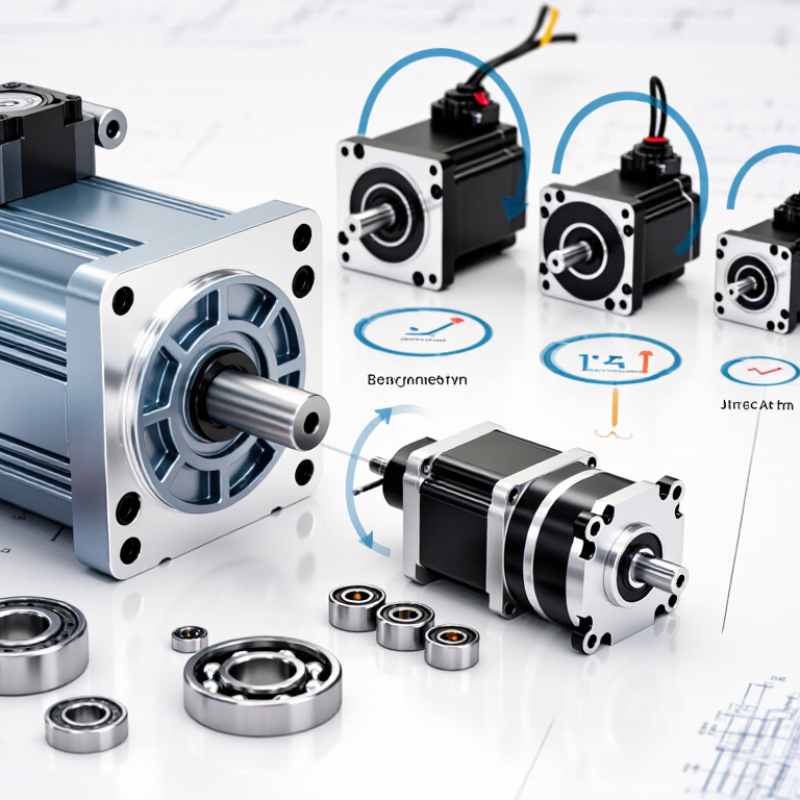
In 2026, “high torque” should describe useful output under real operating conditions, not just an impressive peak figure. A brushless DC motor’s torque depends on its current, magnetic design, winding, and cooling. Peak torque may last only seconds; continuous torque is the figure that matters when a conveyor, pump, or wheel must keep moving. That distinction matters. Compare both ratings, and check the speed at which each applies.
Torque density also helps define a capable motor: how much torque it delivers for its size and weight. But compactness can trap heat.
Heat changes everything.
Review the motor’s temperature limits, duty cycle, and cooling method alongside its torque curve. A motor that feels powerful during a brief bench test may lose performance during repeated starts or sustained load. Control quality matters, too. Sensors and a well-matched controller can provide smoother low-speed torque, especially when a mechanism starts with a heavy load.
Check the operating voltage, current limits, shaft dimensions, and mounting details before choosing. Spec sheets are useful, but sometimes they leave questions. Ask how peak torque was measured, and under what conditions.
A brushless DC motor creates torque when its stator coils produce a rotating magnetic field that pulls the rotor’s permanent magnets around. The inverter switches coil current in sequence, keeping the magnetic pull aligned with rotor position. More current generally means more torque, up to the motor’s electrical and thermal limits. Smooth control depends on accurate rotor feedback and fast current regulation. Heat matters.
Torque control can use Hall sensors, an encoder, or sensorless estimation. For precise low-speed movement, field-oriented control adjusts current components to deliver torque with less ripple. A U.S. Department of Energy motor-system assessment reports that motors use about 69% of manufacturing electricity. That figure covers motor systems broadly, not brushless DC motors alone, but it shows why efficient control matters.
In selection, check continuous torque, peak torque duration, cooling, and controller-current limits—not just a headline torque value. A high peak rating may last only briefly.
Tips: Test the motor under the real load, especially during startup and repeated stops. Watch winding or case temperature during a sustained run. One detail is easy to miss: a controller’s current limit can cap usable torque, even when the motor rating looks sufficient.
When comparing a 2026 high-torque brushless DC motor for sale, start with continuous torque, not the largest number in the headline. Continuous torque describes what the motor can sustain under stated cooling and operating conditions. Peak torque may last only briefly. Check the torque-speed curve, too: torque often falls as speed rises, which can change how the motor performs under load.
Numbers matter. Match the motor’s rated voltage and current to your power supply and controller. A motor that draws more current than the system can provide may not reach its advertised performance. Review efficiency and thermal limits alongside torque. Heat changes everything. Ask how the rating was measured, including ambient temperature, cooling method, and duty cycle. Test conditions are easy to overlook, and I would not assume two listings use the same ones.
Then check shaft diameter, mounting dimensions, feedback options, and the load’s inertia. A few millimeters of shaft mismatch can mean a new coupling or mounting plate. If the motor drives a conveyor, for example, compare its continuous torque at the required speed with the conveyor’s loaded starting demand. Also confirm whether the quoted torque applies at the shaft or after a gearbox. Specifications help narrow the choice, but a short test under the real load may still reveal vibration or overheating that a product sheet cannot show.
Start with the load, not the motor’s headline torque. Estimate the torque needed to move or rotate the load, including friction, incline, and acceleration. A conveyor carrying boxes may run steadily, but it needs extra torque when starting fully loaded. Allow for that peak without treating it as the motor’s normal operating point. Peak ratings are brief.
Next, match the required speed to the motor’s torque-speed curve. A motor may deliver strong torque at low speed but less torque as speed rises. Check the continuous torque rating at your target speed, then compare it with the load’s duty cycle. For repeated starts, long runs, or limited airflow, heat matters. A compact motor in a sealed housing can run hotter than expected.
A gearbox can trade speed for torque, though it adds losses and may introduce backlash. For example, a wheel that turns too quickly may need reduction to climb a ramp reliably. Confirm the supply voltage, controller limits, shaft fit, and available mounting space before selecting a motor. A neat spreadsheet can still miss real friction. Measure the load if possible, then leave a sensible margin rather than choosing by peak torque alone.
A high-torque brushless DC motor can look suitable on paper and still fail in the machine. Supplier evaluation starts with evidence, not a headline torque figure. Ask for continuous and peak torque, speed range, winding temperature limits, and test conditions. A peak rating may last only seconds. Request a test report, and clarify whether its values describe the motor alone or a matched drive. That distinction matters.
Compatibility needs equal care. Compare voltage, current, shaft dimensions, mounting pattern, feedback device, and controller interface with your system. Check the load curve at startup and operating speed; torque demand changes with both. If the supplier cannot confirm a detail, record it as an open risk. It is easy to miss cable length. Depending on the encoder and drive, it may affect installation or signal quality.
Look beyond purchase price. Include the controller, cabling, cooling, maintenance access, expected service life, and downtime in your comparison. Ask about spare-part availability and realistic lead times, then keep the answers in writing. A low quote can become expensive if a custom shaft delays production. Estimates can be wrong, especially when duty cycles or ambient temperatures have not been measured. Leave room for that uncertainty.
WhatsAppOffer Electronics Manufacturing All-in-One
PCBONLINE® is a registered trademark or service mark of pcb online limited or its affiliates.
Copyright © 2001-2024 Pcb Online Limited. All rights reserved